Lake Cam
Accessibility
Donate
Glensheen
Tours
Tour Options
Group Tours
Current & Upcoming Exhibits
Extras
Events
Calendar
Concerts on the Pier
Venue Rentals
Corporate & Private
University Events
Venues
Catering
About
FAQs
Media
House Rules
Mission & Vision
Donate
Blog
Contact
Staff
Donation Request
Employment & Internships
Subscribe to Emails
Membership
Hours
Buy Tickets
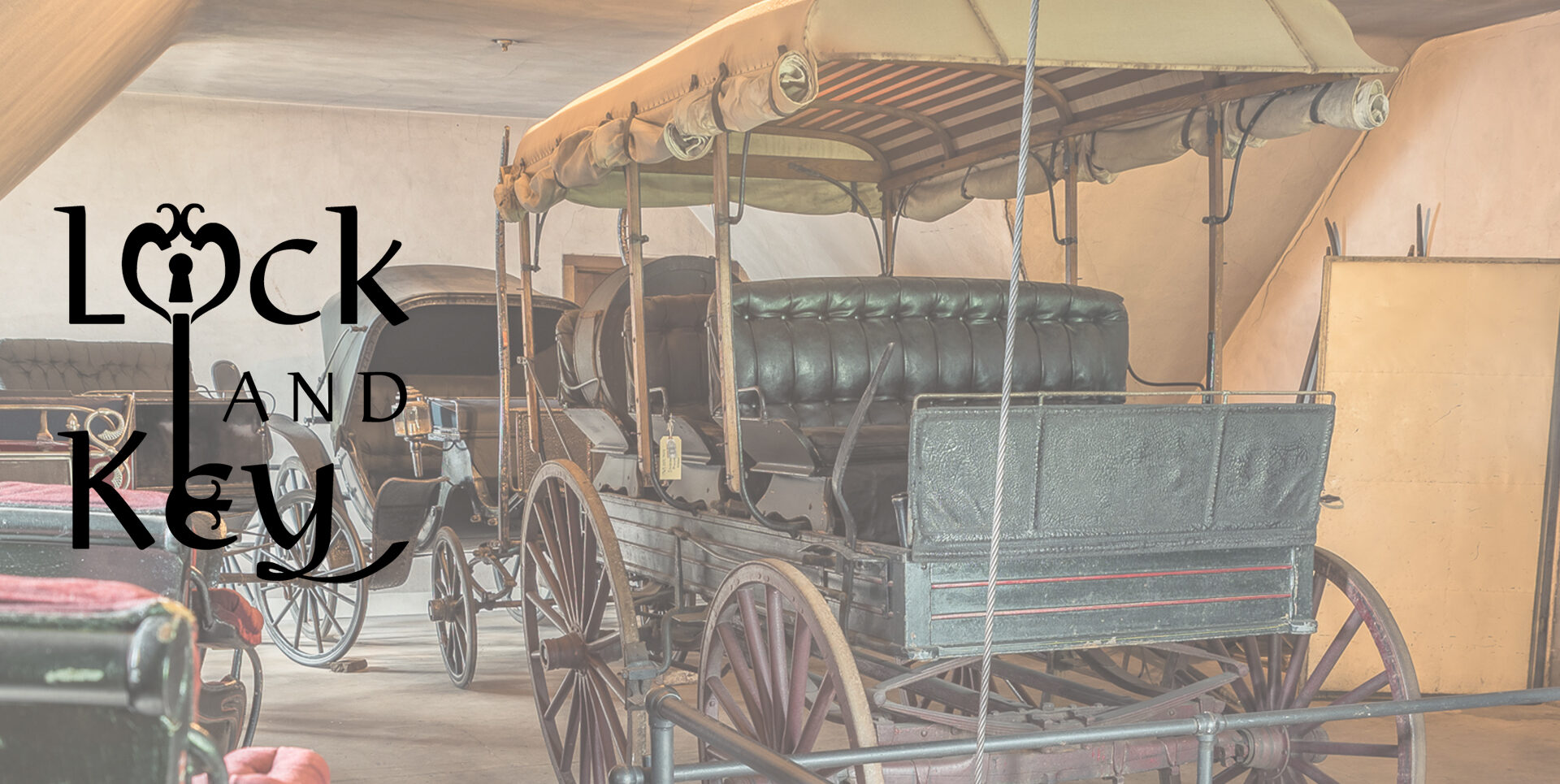
Our Lock & Key tour is back!
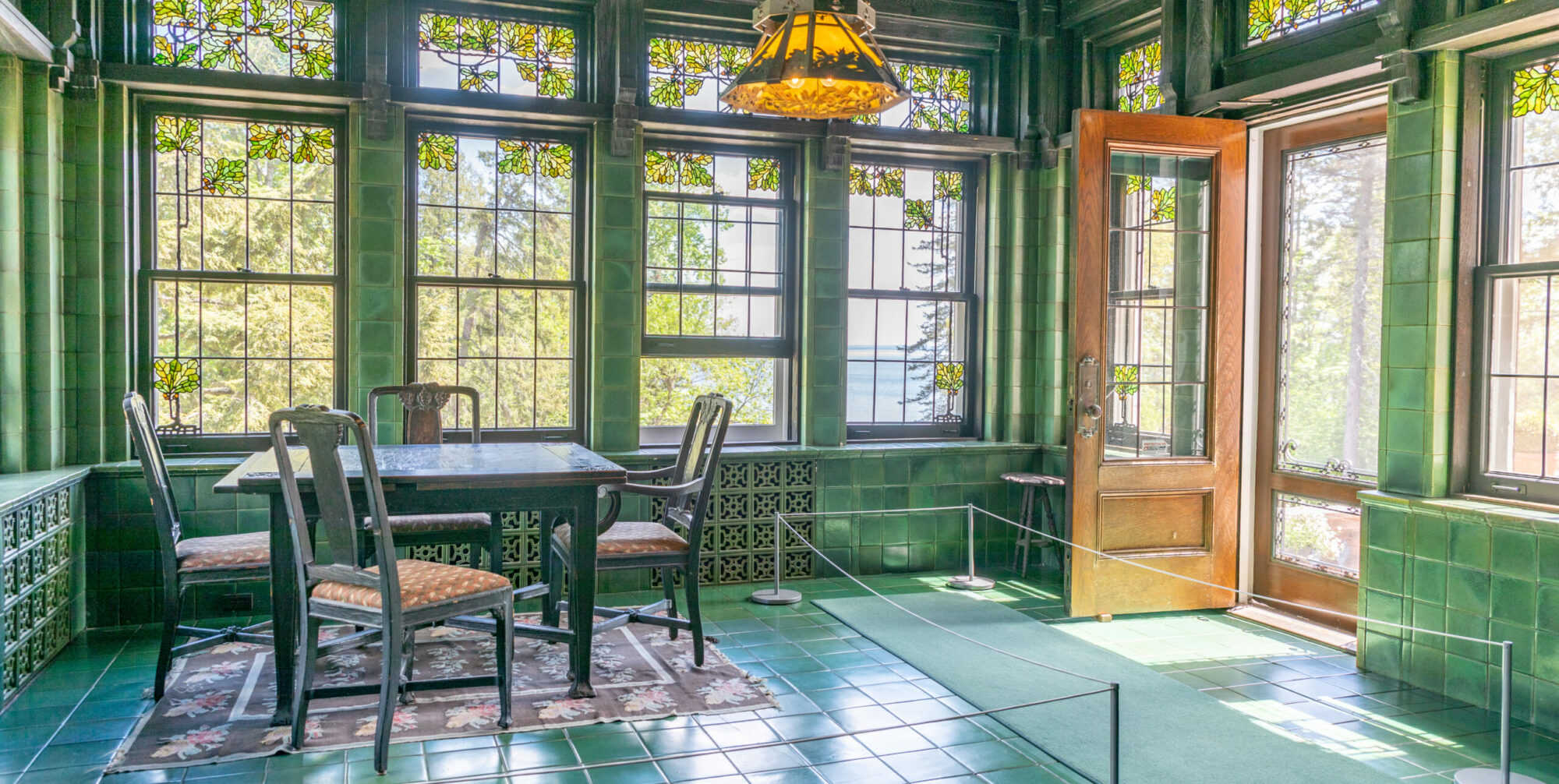
Tour the mansion and grounds this season!
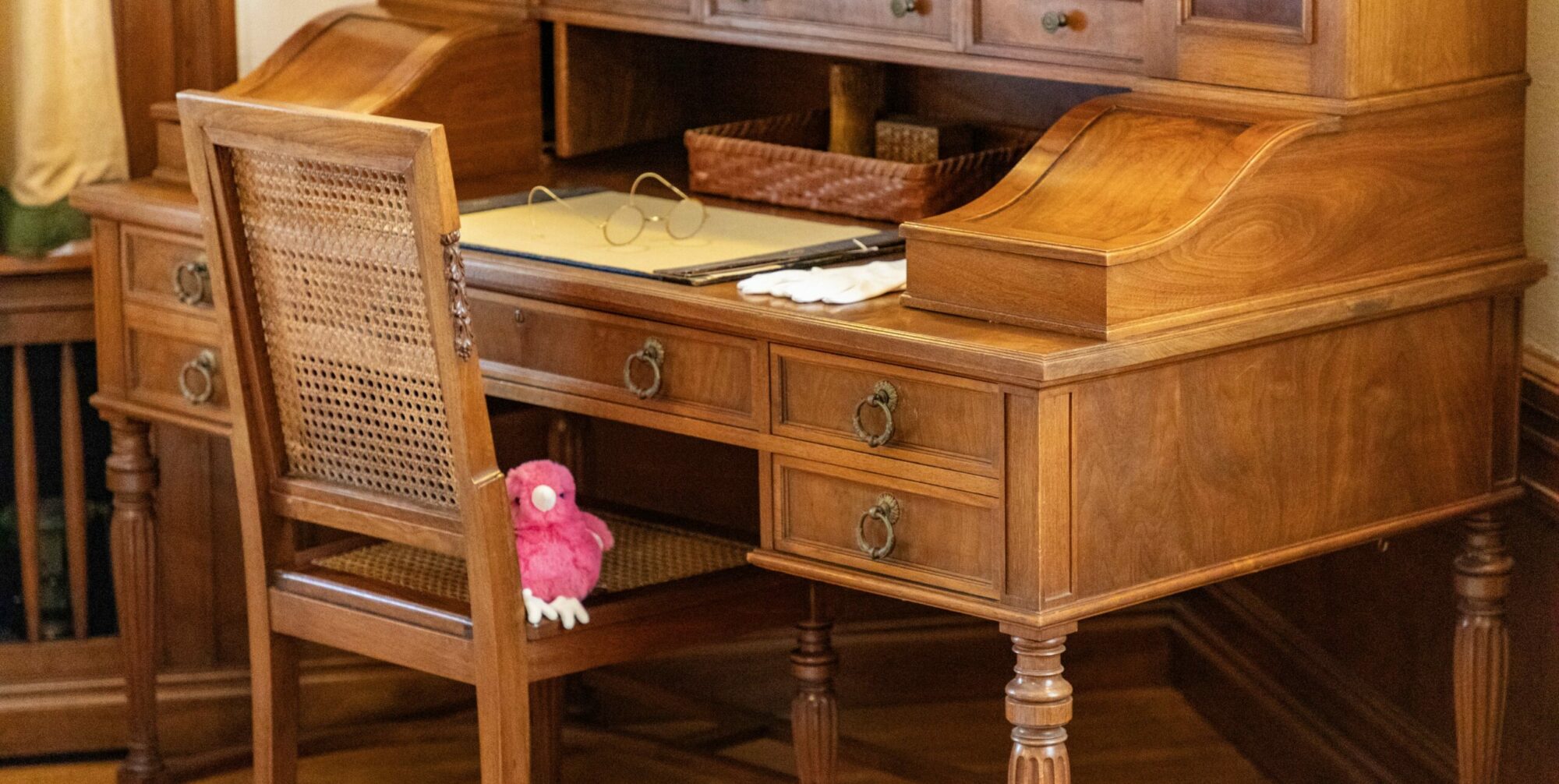
Find 12 baby chicks on our scavenger hunt!
Support Glensheen by becoming a member today
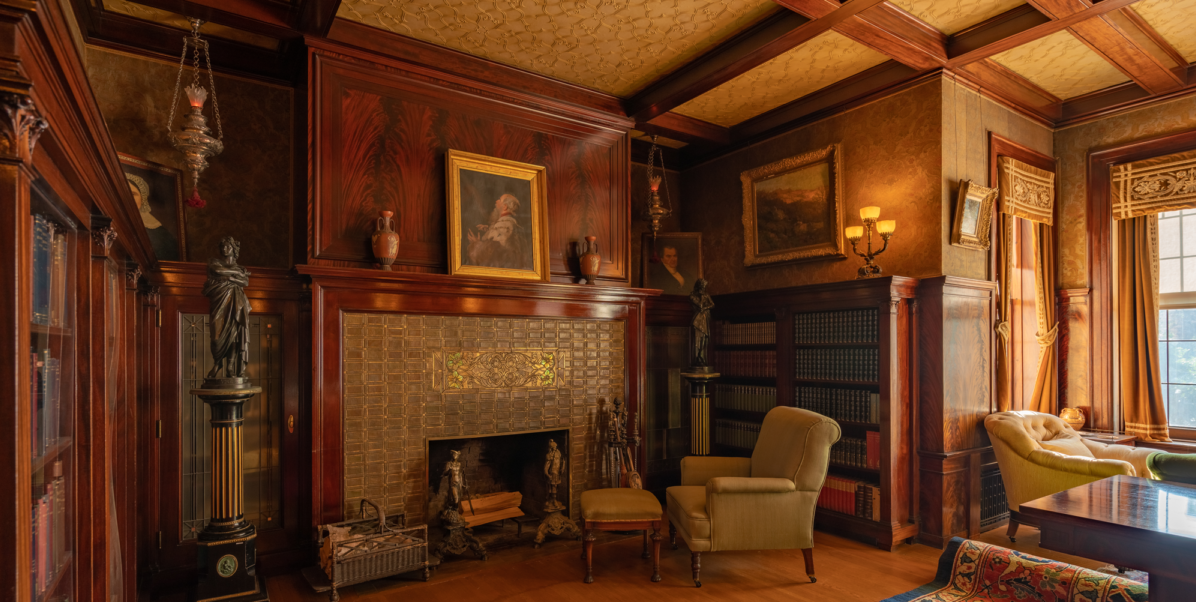
Host your next corporate retreat or event at Glensheen!
Learn more
Tours
Event Calendar
Venue Rentals
Members
Classic Tour
Perfect tour for families and first-time visitors
Learn More
Full Mansion Tour
See all five floors of the mansion
Learn More