|
Respiratory
Disease: Gases
Silo gas (nitrogen oxides) - Silo Fillers Disease
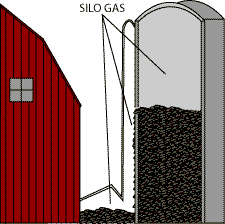
Silos contain very high potentially lethal levels of nitrogen oxides shortly after being filled.
The most dangerous period of time is within the first two weeks of filling the silo,
particularly in the first 5-7 days. Fermentation of the hay (haylage) or grain (silage)
produces the gases. The gases are heavier than air and can collect in pockets even after
running the blowers.
 Low levels of nitrogen oxide (50 ppm) include:
o Headache
o Eye irritation
o Cough
o Fatigue
At higher levels (>200 ppm) symptoms include:
o Progressive shortness of breath, chest tightness
o Laryngo/bronchospasm
o Loss of consciousness
o Pulmonary edema
o Acute respiratory distress syndrome
o Bronchiolitis obliterans (irreversible fibrosis and scarring)
o Relapse 2-6 weeks later
o Death
It is recommended that no one enter the silo within two weeks of filling without first
running the blowers for twenty minutes, wearing a rescue line, and having a spotter.
The safest approach is to monitor gases with a meter or wear a self-contained
breathing apparatus. Anyone who has loss of consciousness, altered awareness,
or chest pain and shortness of breath should be hospitalized and monitored for 24
hours. Treatment involves steroids, bronchodilators, and oxygen.
Low levels of nitrogen oxide (50 ppm) include:
o Headache
o Eye irritation
o Cough
o Fatigue
At higher levels (>200 ppm) symptoms include:
o Progressive shortness of breath, chest tightness
o Laryngo/bronchospasm
o Loss of consciousness
o Pulmonary edema
o Acute respiratory distress syndrome
o Bronchiolitis obliterans (irreversible fibrosis and scarring)
o Relapse 2-6 weeks later
o Death
It is recommended that no one enter the silo within two weeks of filling without first
running the blowers for twenty minutes, wearing a rescue line, and having a spotter.
The safest approach is to monitor gases with a meter or wear a self-contained
breathing apparatus. Anyone who has loss of consciousness, altered awareness,
or chest pain and shortness of breath should be hospitalized and monitored for 24
hours. Treatment involves steroids, bronchodilators, and oxygen.
|





