
 Tim Roufs
 |
extended search | ||
|
|
When Everybody Called
Me Gabe-bines,
|
"This project has been financed in part with funds provided by the State of Minnesota from the Arts and Cultural Heritage Fund through the Minnesota Historical Society." "This publication was made possible in part by the people of Minnesota through a grant funded by an appropriation to the Minnesota Historical Society from the Minnesota Arts and Cultural Heritage Fund. Any views, findings, opinions, conclusions or recommendations expressed in this publication are those of the authors and do not necessarily represent those of the State of Minnesota, the Minnesota Historical Society, or the Minnesota Historic Resources Advisory Committee." |
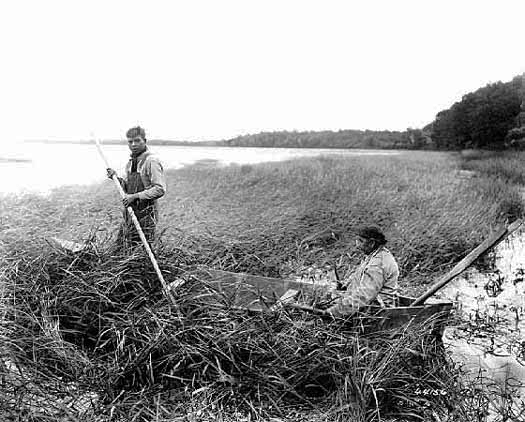 Chippewa Indians gathering wild rice, ca. 1925. Photograph Collection, ca. 1925 Collections Online Minnesota Historical Society Location No. E97.32W p49 Negative No. 14925 |
The experience of my life was very great. I often wondered how I went through this life. And I often wondered how I got to be seventy-five. I've thought many times of all the things I've seen and heard in such a beautiful country. I thought the beautiful country made me happy. I thought the people of the country made me feel good. I thought of the wild life, and of the camping grounds that I've seen. I thought of the trips of canoes that I made, and my days of playing along the shores of the water and lakes -- and this made me very happy.(2) I grew up working with my folks -- Indian folks -- and working with our wild life -- like wild rice. Wild rice is the very greatest food there was. Wild rice is natural for the Indian; it's a natural food. Wild rice is a great thing that we always look for every season.Wild rice is a great thing, so in the fall we move our camping grounds to the lakeshore of wild rice lakes. I remember seeing hundreds and hundreds of camps; I saw many family wiigwaams. The tipis and wiigwaams were made of birch bark. It's something to look at -- how beautiful those birch bark wiigwaams, tipis, and campfires looked.(3) And we had birch bark canoes when I was a boy. Oh, it's a beautiful sight! I always dream about this, about when I was eighteen and nineteen, and about the years before that. It was a good life. I liked that life. About 1915, or somewhere along in there -- '14, '15 -- I was really taking interest of wild rice. When I was just beginning to be interested about ricing I was about nine, ten, twelve years old. I was very young. I liked the camping out, the joining, the boys and girls that I friended with. I have a lot of friends, and we had lots of fun paddling -- paddling our canoes around, fishing, harvesting, eating, working, and playing. I met a lot of new friends ricing. They came from a long ways to rice. There were always some Leech Lakers where we went and I enjoyed looking at their boats, or the dances(4) they're giving. I enjoyed hearing about what improvements the Indians are getting to. I enjoyed that rice field. Every year it comes. After we went picking
berries we traveled all through the country. Some wanted, maybe, to continue
to go picking berries.(5) Others traveled
up river.(6) We always split up like that. And then, in the fall, ricing
time comes. We went by seasonal events, and in the fall it's ricing time. We
were always ready for ricing. Before the "ricing-moon" appeared in the fall we'd go up river. And up river we canoed
all over Mud Lake and Goose Lake. We were looking at the crop of rice fields. We were
looking at the crop of ducks. Boy were there birds and ducks! Boy there
was plenty!
We use a certain method when we go out into the field to look for wild rice, for medicines, and for other crops of the season which will be turned over to the Indian when they are mature. When we look at a crop we are always ready to say "miigwech" -- "thanks." We know. We know there's much danger ahead, and we must wait 'till the crop is matured, well matured, and it's the season to pick. We know there's much danger ahead: storms, hails, different things might destroy the crops. That's why we act with our belief. We always have respect of the weather, the stars, the Creator. And even though we show our respect and say miigwech, we fear yet. We're not sure of a crop until we receive it in our hands. In our life, meditation gives us strength. Beware! Anything could happen between now and when we harvest a crop. We know that -- even though we are about ready to receive from the Great -- anything could still happen. When we are ready to receive from the natural -- from nature -- we should say thanks. We should say miigwech. When we leave home on a journey, like the journey that we are about to take to look over the crop, we think of our little home. Maybe on the journey we'll take something that we need -- for a sample, for a taste -- to see if it's matured. There's things that's matured already. We miigwech manoomin -- the wild rice -- miigwech maple sugar, miigwech the berries and garden, miigwech the seasons. You should miigwech every season that you have. That's what the seasons are for, to miigwech Manidoo -- "thank the Great." "Miigwech Manidoo!" Bang!! It's nothing funny. Do that and you feel good. Should you receive stuff(7) and not thank the Great? Do you get stuff with your own power? Sure, you can just walk to it and you'll find it. You walk to it; you're able. You pick it. You carry it. That's fine. But how long do you think you can keep doing that if you don't thank the One who let you walk to it and get it in the first place?? You have to remember it to somebody. Before you pick rice you have to give thanks. If you pick rice, take that tobacco and put it in the water. Water is a big thing. It's dangerous. And when you go out into the world, life is dangerous. If you're going on a trip say, "I shall be back. I ask to be back." When you leave home you say thanks to the Great. That's why I pound the drum to thank the Great Spirit, and that's why I make signs to the North and West and East and South.(8) The Great Power has given directions power; He has given these directions parts of the storms. A storm could come from any direction and make a lot of damage in the area, and that may destroy our crops. It may also hurt the feelings of the people. It may hurt the life of the people. So that's why we are careful about saying thanks for what we are provided. That's why we do these things in our Indian way. We thank for happiness. We thank to mature the crop, which is why it is well taken care of by the local people. We know when it's ripe; we know when it's ready and fit to eat. When it's time, we know it's ready. We wait until the crop is ready before we take it. When it is ready we call upon the Great Spirit to guard us, to care for us all, the same as with the crop. Nature does all things. We pound the drum to call all Spirits, and with this method the Spirits are risen to the air to come to the people. We pound to the North. We pound to the South. We pound to the East. We pound to the West. From the drum we hear Thunder rumble. We hear storms. We pound the drum for all. "Wonder." "Crops." "Miigwech!" And when we drum, we sing songs. And in our songs we say "miigwech, miigwech, miigwech, miigwech" -- "thanks, thanks for all." When you meditate, it is very easy to make a mistake. Because of the request that you have, it is very easy for you to make a mistake. Never forget to leave the food offering behind with your "miigwech." Never forget to leave other stuff behind, like clothes. We use food and clothes in our meditating. It is true. We could easily make a mistake in meditating for everything that we receive. The crops are seasonal, and because of that it is easy to make a mistake. When it's time to say "miigwech" for our crops, with shortness already here, say "miigwech" for all. "Thanks Great." Pound the drum and say:
This is what we believe and these are the methods we use to meditate as we scout out our rice crop. In my time, the ricing was special and we all looked forward to the "ricing-moon" -- just as we waited for the maple-sugar camp. We call that ricing camp season "ricing-moon" in Indian -- manoominike-giizis. The spots of the sun and the spots of the moon have answers for us. The moon purifies the air of the earth. It gathers the earth's moisture, and the fall-out of that purifying forms a crust on the moon.(9) Any of the old-timers will tell you that. The spots of the moon cast on to the earth a reflection of the weather. And then the air and weather of the earth continually work to crust the spots of the moon. Sooner or later the moon has to be surfaced evenly, and the purifying action of the moon will fill the pockets of the moon, if there are any. And so it becomes crusty, and the crust isn't very thick. The crust of the moon every year, for so many years, stores the impurities of the air of the earth. It's kind of a storehouse. The air is different up there. There's no air up there; it's dead. The moon has its answers. It has the answer of how it's working with the sun. Every month the moon vanishes, and you can't see it. But every time the moon changes you can tell whether it's going to be wet weather -- whether we're going to have a storm. The weather of the earth proves what's going on on the moon. It gets windy and everything by the action of the moon. Well, sometimes it does. Everything is matured through the sun and the hot weather. And if there's a big area of wild rice that's ripening and if the stage of water and the stage of the heat from the sun are normal, we'll know when the rice is ready by the stage of the moon. We go by the time of the moon. We watch the seasoning of the rice by the moon. It's the same as a clock. We start wild ricing when the moon is in the quarter. When it's a full moon the rice is too green.(10) We know a certain percentage of rice is green when the moon is full. Yah. When ricing time
came we moved to the lakes where the rice fields were. When we moved
to the ricing camp most generally the leaders moved first. Our leaders
moved first to that rice camp hill, and we all in the summer camp would get ready
for ricing. Then we all moved. We all went along in our own divisions -- our own groups -- taking care of our own ricing "business" -- oh-bah-pah-nI-say-wIn-gi-wa ma-no-mIn-i-kay. Many times the Chippewa's camped at Mud Lake watching for the Siouxs to enter.(11) We knew they camped there. But at "ricing-moon" time everybody from our group waited for the crop of rice at Mud Lake headquarters anyway. A lot of rice -- manoomin -- tons and tons -- came to the people from Mud Lake.
During the building up of the rice camp grounds there's a man out there in the rice fields. There were always two scouts from the rice camp out there checking the rice. They sent them out to make one trip around and to check the rice. The chief, or somebody who knows about rice -- the mah-no-mI o-gii-mah -- most generally meets the scouts at the landing when they return. He'll look at the boat; they don't have to say anything. He'll just look at the boat. If the rice in the boat fell off on its own, he'll ask, "Was it that way all along?" "There's pretty good spots on the south side and on the west side. We could just see it as we went. It's ripening. But this spot here where there's deeper water and a heavier crop, it's a little bit later." "I know there's a spot like that. That crop is level on the east side of the lake, so it all depends on the current." Wild rice most generally doesn't ripen even; it doesn't all ripen at the same time. It ripens in spots. There's spots that ripen earlier and spots that ripen afterwards. Some lakes are ripe early and in some lakes it don't ripen 'till late. Wild rice is a funny thing; it don't all ripen at the same time. In my area, further north, it's earlier, and further south, it's later. In the waters you'll find that some spots are ripe, while some spots mature later. That's wild rice. That's why I think it's a good name -- it's wild. It all depends on the crop: how thick the crop is, how deep the water is, how shallow it is. That's what we figure on. In the olden days it used to seem to ripen pretty well even, at least pretty much so, because -- unless it was windy -- we allowed the rice to naturally mature on the stalk. But even then there were spots toward the bottom of that lake where it's shallow, and there's spots where it's a little deeper; that's natural. Where there's a little deeper water the rice comes mature much later. When it's even a little less deep -- or shallow -- it ripens earlier. Lily pads proves where it's shallow. Wherever there's lily pads and you see wild rice laying there, it'll mature quicker. The reflection of the sun and the heat from the lily pads matures the rice faster. Heavier crops -- with heads up to six, seven, or eight inches -- are later rice. Back at our camp everybody would be anxious to hear about the rice crop. The scouts would bring the news back: "It looks good. The crop is very wonderful. I think we're gonna have a wonderful crop." "Well, that's good news." "Boy there was rice! Everything's filled up. Boy there was ducks! There was a good young crop. There were bunches of ducks." Someone might ask, "How are the meadows? Are there any deer?" "In the evening we went to one place there and we saw two, three, standing around in the opening to blow the mosquitoes off. Boy they looked good." We check on the rice often. And we survey the wildlife as we go. At a
certain time of the year the rice is not ready; it's too green, but we
begin to see the rice blossom. When we check on the blossoms of the rice,
we begin to hope the rice is coming. We have to be very careful with the
rice. When the rice is blossomed there's a fall-out of that rice blossom.
With anything that blossoms, at times, there's a fall-out to it. It takes
to you. You get the rice blossom on you. You can not see the germ part
of the blossom. That's all right; it's there. The germ flies; the blossom
flies, in the lake and in the rice field.
Why does the blossom fall back in the lake at blossom time? Does it help the necessary requirement of the bed? Does that blossom scatter into the water to give strength to that rice? I wonder. We'll all have to wonder about that. We do not destroy the blossom. Why? Because we stay out of there -- out of that rice bed. But when the blossom of the rice comes, we begin to ask one another, "Should we have the wild rice? Will we have the wild rice?" Wild rice is given to us and we ask that nothing should destroy that. It's up to the Indian to watch that. When the blossoms fall out into the lake they must have something to do with the water. At that time of the year, at that time of the season, falling blossoms must have something to do with the water. Nature does that. Nature takes care of itself. That blossom skins off and at times drifts away. Where does it go? Maybe it's some fertilizer to the rice, which it should have. That's a requirement, and the falling blossom may be proof of that. After a while we begin to see the heads of the rice. How beautiful those heads come! By a certain stage of water the rice should mature to
a head and stand on top of the rice stalk. The wild rice will start to
load up and form its head. When it's treated right -- when the water and
the weather treat it right -- wild rice forms up into a good crop. It will
be a good crop if it's right, if it hits it just right. If everything's
right the rice will come to a head and the head will be heavy.
Some places wild rice will grow -- I think it'll grow -- nine-, eight-inch stems of heads. If it's a nice crop, the stalk hangs over with heads of rice so loaded that it bows back. The heads of the wild rice were long years ago because the fertilizer was in them. There was fish fertilizer and wild life fertilizer. It had mushrat manure, and manure from cranes, shitepokes, ducks, and bullheads. It sure had a lot of fertilizer! The air is pure; then the rice comes. It's the same way with trees, same way with gardens, same way anything. That body of water has to be taken care of, for the crop of wild rice. If you don't supply that fish fertilizer -- or some other fertilizer -- for the grain, well, the grain crop runs out. But if you have a good year and use good fertilizer -- good supplement from fish to help fertilize -- then you'll get a good crop. You can use frogs for fertilizer too. Maybe there's something to that; you can use animals: mushrats, ducks. You can use anything, because they all carry that germ that'll help enrich the crop. It could be that's the way it was before they had all of those chemicals that they use now-a-days. Now they don't use any of that natural fertilizer anymore -- nothing to speak of anyway. There isn't enough of that natural fertilizer, maybe. It's all wore off, all wored out. It takes too many -- too much help -- to fertilize with the natural fertilizers. There's a lot of things we have to study yet before we learn. At certain stages cold temperatures and quick weather changes are rough on the people. Quick changes are rough on the rice too. When rice matures, it begins to have kernels; it's developing for the better. When it's clear, the blossom draws the nourishment from the roots into the wild rice kernel, and as it matures it looks green. There's not a fall-off in the wild rice while it's green, while it's growing. When it's green, it's maturing. And while it matures you can not see the kernels fall-off; it cures itself later on; nature does that. When you touch well-matured wild rice it'll drop itself. You do not have to beat well-matured rice off. There's no proof that you have to beat off the wild rice. The wild rice will mature if you give it time, and it will drop off easily, on its own. If you want to catch rice before the weather gets it, or blows it off, then you'll have to tap it a little before its finally ripe. But in tapping it a little you're careful on the wild rice. Well that part's all right. We all do that to help the crop as we go; fine. "It'll be better next year," we hope. You're careful on the wild rice, instead of coming in and hammering it with big clubs. When you hammer rice it falls crossways all over, because it's only about half ripe. You have to beat green rice off because it's not ripe, and when you look back to where you worked, there's so much percentage of that rice that is broken. You could see the broken heads where you hit it too hard. If you hit it too hard, the heads of the wild rice snap off because they're tender. And wild rice stalks break as the boats go over them. These aluminum canoes now-a-days are good, providing you don't turn too short, and providing you turn around in open water to preserve the rice. But lots of them now-a-days turn right in the green rice and push a lot of rice down and ruin it. In the olden days the old timers would meet out by the lake. They held council out by the lake; that's the committees, the great leaders, the advisors.(12) They have a council, and the council of the local area of the rice field discusses the crop. They'd discuss the rice fields. They'll check them all over, then come back and sit in talk. The scouts are very understandable when they come in from the fields. There were six or seven ricing council members in the reservation, for all divisions, because two, four, six can go different places and one would always be at home to fit in or sit in talk. There were six or seven ricing council members, all together. Two guys could go to one location; the others could go somewhere else. Two guys were on from each area, across the north. They have three who understand the rice and the nature of rice, and three practicing to learn. The three learning do the running -- most generally -- but the directing party of the council has a lot to say, and the others have to listen to that. In the old days the chief had scouts and the scouts were active. The scouts would go and tell the people, "We're gonna have a meeting and discussion." When they sat together in the meeting all the Indians were backing and approving their discussion. We do not want that rice destroyed. When they met like that, the outlaws . . . they wouldn't go near. All the local ricing committee members work together with the ricers' council -- with the local rice directors from the different reservation areas. There are directors of wild rice from each area and they're studying the rice crop all of the time. The rice directors from the different reservation areas bring in all the views so they all could understand what's happening with the crop, and we discuss all of the views in council. Sometimes the ricing council had to remind people not to beat the rice -- not to hammer the rice. In the past we used to say, "Indians, did anybody damage the crop?" If they did, a ricing council member would talk to the offending party: "Huh-uh. Look at where you went through; look at the broken rice. You cannot pound. You get somebody else to work with you that will knock the rice better. Get somebody who will be a little more careful. You get somebody else that'll pound a little more careful, and not damage the rice. See? Do not damage the rice. You can hit it enough so that it'll come off, but don't pound it. If it'll strip off, it'll come off with a gentle knock. If it's green there's no use hitting it, because it won't come off. If you did knock it off before it ripens, you're not gaining anyhow. Somebody's losing. In the long run you lose. The crop, the germ, is destroyed." We do not want to take all the germ of wild rice off that lake.(13) We want to leave some, so it would germ-inate for the next year. By looking forward and taking care of the rice it always answers good -- most generally.(14) We'd take care of the rice by explaining to everyone the limits on boats, and by reminding them how to treat the rice. That helps to improve our area. It helps to better the crop. Now-a-days they hammer rice and each boat on that lake has a certain amount of rice, on a per-centage, that'll never mature. With all the people, with all the population that's coming, it doesn't take long to ruin a rice field. It comes to ruin through hammering; the first stages of ruin of the green rice are here already, because they hammer it when it's immature. In my day we never took immature rice by hammering it into the canoe. We tapped it gently. Respect the rice fields and don't hammer rice. Remember that. That ricing council usually keeps everyone in line. We were able to make a living from the wild life because it was well taken care of by the Indians. We lived by the rules and regulations of the Indians. Our chief and his advisors also discussed the rice crop out in the lake. "Should we lay off of it?" they would always ask. If the council said, "Yes," they put up a flag -- a white flag -- showing that we should lay off the wild rice. That was usually enough to warn people to stay off. Once, in 1932, by the Black Duck Point rice field on Leech Lake, the scouts -- the younger class -- saw a boat out in a closed rice field near Bear Island. "There's a boat out there. I wonder if they know that we're resting that field?" At that time I was on board as a scout, and I was on a ricing council too -- for Leech Lake, Mud Lake, and Goose Lake. At that time the council approved that we rest that field. It was approved by a group council of the rice harvesters. They council-ed about opening it up, but continued to approve that we rest it. We generally didn't have any trouble, but this one time there was a boat out in the closed rice field. So the council sent me and my cousin -- Simon Smith -- out there to catch up with that harvester. The fellow was out harvesting rice, and when he's out in the field he doesn't want to be disturbed by anyone, naturally. I was approved to talk with the harvester by the council leader, so I sat down beside him -- in a boat beside him. I said to the guy harvesting, "Ah, I'm sent out here to visit you people by a group of Indians that's on the board of the ricing committee. I'm sent by the directors." "Hm. Hmm. So what?" "I wanna ask you a question. I'd like to have an answer from you. Did you know that this rice field is closed?" "I thought the rice was ripe." "Well they're not harvesting this field." "Well, I don't care. If that's what they want, fine. I'm here to get rice." Simon didn't say a word. He just sat there listening. "Very well, but how about the other ones? Why should they sit back and wait for the orders to begin when you guys are out here ricing?" "Well, because they like to play the moccasin game. They like to play games. The rice is ripe." "Is it ripe?" I asked. He showed me the rice that they had there. "Ya," I said, "I think you have groups over there where you are camped. The committee sent the messages out all over, including to your groups. And when they all go ricing, we'll all go. If you want to continue ricing, I'm afraid we're gonna have trouble because they're watching me right now talking to you. They got eyes all around the lake that are looking. They see me out here. I'm the message to you fellas that they didn't open this rice field. The committees, the group, the chiefs, decided it's not ready. The rice don't ripen evenly, most generally. So all I ask you is, 'Will you cooperate with the Indians?'" "Yes." They got out; they got right out, of the field. The Indians saw this and said, "Very well." If the harvesters sneak out again, if they catch them out there again, then one or two boats of Indians will go out there and tip them right over. They might ask him, "Are you gonna get out or are you gonna keep ricing?" And if he says, "Help us out, give us something, and we'll go," that's all there is to it. They'll tip them. It's nothing funny. And if the harvester wants to fight back, he'll be fighting all the way to shore. And if they're fighting back the others will come. That's the way we used to have it. The committees, different ones, the groups, will come in and defend that right for their children. It was hard to not obey rules and regulations. If you wanted to take over, you were in trouble. When you worked with the group for the best, you got all the rice you wanted, and you didn't have any trouble. In 1909, 1910, somewhere in there, there was a party on Mud Lake
who had a pole with a fork on it. He pushed the canoe with the pole, and
the Indians said, "He should be told to not use that."
Years ago the Indians didn't allow forked-ended pushing poles for canoes and ricing boats on the lake because it disturbs the bottom. The Indians years ago were very careful. Ricers got driven out if they used a forked pole. Boy! I tell you they were good not to disturb the bottom. You know what we used? Paddles. We used a long paddle with a little fork on it just big enough to
catch a little on the bottom -- to catch the weeds on the bottom. You can
see in the old pictures that they stood in the front with a long paddle.
We didn't disturb the roots of the wild rice. We'd just paddle around, first on one side of the canoe, then on the other side. That long paddle was about six, seven feet long -- sometimes longer -- so you'd have to raise it so as to not hit the rice heads. And when you paddled you could hear the rice fall, when it was ripe. Early on we never used a forked pole; uh-uh. You know what a forked pole does? When you shove on a pole you usually take a bunch of rice and pole it right up when you push. You're destroying about one bunch of rice every time you push on the bottom; you're tearing the roots out of it, and there she lays, floating on top of the water, never to get up. Boy the rice chiefs took care of their rice in those days! You would never see the weeds of the rice floating around then. When they riced in the old way the rice and the stalks would come right up again after they passed thorough. They had a big meeting. They had a big meeting to deal with the forked pole user on Mud Lake. They decided to give him a warning first. The people on the rice committee gave him a warning. They sent the scouts to tell him, "You're not supposed to do that, and we're ordering you to take your pole out. If you wanna rice, we got long paddles for that. Use your paddle. Your paddle has a little `V' shape on the end. When you stick that in the water and pole on, that releases the rice. The fork bunches up the rice when you push, and breaks it down. If you use long paddles the rice will last longer." They stopped him. They stopped him at that time. They told him to get out of there: "Go use your pole somewhere out on a little lake where there's not so much rice. We don't allow forked poles here." If he didn't stop using the pole they'd go out again, and this time they'd tip him over. Now, with the changes, they all use poles. Then they wonder why the crop don't mature the way it used to. Now-a-days everybody's got poles with duck-bills, everybody's got forks on their poles, and that pushes out the roots of the bottom of the wild rice. Maybe that has some effect to it. Maybe there's a disturbment of the growth so it has a hard time to mature. Some of that rice will not be rice in the future because the roots are disturbed on the bottom. In my younger times ricing council members were chosen by the point of the chief. He selects, and then you have to go. Later on, they were more or less chosen by the vote. The council knows that these guys are very capable and very active. If you're to be appointed by the council, they'll discuss that, and they'll ask, "Could you be able to understand the rice? Have you been working the rice in your background? Could you take interest on the wild rice to preserve our rice fields?" Then, if he'll accept, he's appointed. They'll usually appoint their selected men. So each reservation, each council, appoints their men. And when the council men appoint, the new person's give an answer to his question: "Will I have the power to show that I'm authorized?" "Yes." When you were authorized in the olden days, you were protected. Nobody can go against you. I was on the rice committee for seven years in the early days, six years anyhow -- about 1925, '26, ' 27, '28. And I was on the ricing council for a while, during the 30s, and mid-40s. I was on the council when the Indians still had mostly Indian language. But there were a lot of us who could talk English. There were really husky boys that could be a committee; they were very active. I don't know how it happened, but I got in. They knew my way of life. I was interested in the benefit of the local people in the area of Sugar Point and Boy River. We expect that area to repay if we use the field good, and they were discussing that at a big meeting at Sugar Point. I was at Sugar Point and one chief got up and said, "We gotta have deputies, rice deputies, on the committee." They're the committee's deputies in with the Business Committee.(15) The Business Committee is the chiefs' council. And they came to a vote. "Do you accept that I appoint Buffalo -- that we appoint Buffalo? Any objection? Anything against him? Will he be capable? Would we take it up to a vote?" The women vote; they voted in this too. They were the main ones.
They voted for "How vote? Vote how -- how? Come on. Come on." That's the way we would put it. That's what they did to me. Before they voted -- I told them before they voted -- "I'm not gonna do it alone. I want two more." On that rice committee, when I was appointed, you had a right to deputize anybody you appoint. We each picked helpers to help keep things in order. They'd ask, "How many do you want in this area with you?" "I want a couple good men, and they gotta be a little older than I am." A young member of the committee can be twenty-one if they're practicing ricing. I don't think eighteen could take it. Eighteen maybe would be disturbed by strangers, by temptation. I think twenty-one to twenty-six would make a pretty good young committee man. By then they're solid in mind enough to stand it. And after you're thirty, it's better yet. But you have to have a couple old people on the committee to help. You need experience and directing. Then your experience at wild rice and matured wild rice will help turn the young twenty-six into the experienced. You have to balance the committee. That's what we talked about. One chief said, "The people that's interested in wild rice will be glad to work with you." But education is really what they were talking about. "Education . . . that's going to help. You know the laws, by-laws, rules and regulations; you're read up. Then the experience comes in there on top of that. Then, with both the education and the experience, that helps even more. That's the way I work for a betterment. But if a person wants to take and use education alone, well then he's all by himself. Sure, he knows it all. . . . He thinks he knows it all. . . . " "Go ahead. Up . . . speak up," they told one of the other boys. "How about that?" But he didn't speak up. "Well he'll learn by working together with experience. When he's got the by-laws -- the rules and regulations of it -- and knows the new set-up and the old-time way, it jabs good in life." Afterwards the one they were talking to in the meeting said, "I forgot something. Help me. You've been there." "Well, your education's supposed to take care of you. I got the experience; I know. But I might as well keep it to myself." "No, it wouldn't do. Could you answer me a question? How about that rice? How about that feeling in your past?" On the top of that, at Sugar Point, I asked the Business Committee, "Will there be a chance that the government will be trying to help us with everything? They want us to a make our living and help ourselves. Will the government help us in any way? Will there be any money in any way appropriated so that I get paid? I put in lots of time. A lot of 'em spend a lot of time in those committees." Before they voted, I brought that up. "I don't think there's money available now as a tribe. It'll take too long to get all the tribes to approve. This is something that has to be done now, so this group can go work in this rice field. We'll ask the federal for a badge for your protection. You will be legal." There were no objections and the council head said, "So you're appointed, Buffalo. For Boy River, Sugar Point, you're appointed." Well, then I had to work with them. That's the way they used to do it. When I was on the committee I lived in Federal Dam. You ask Russ Lego. I was on a committee up there. That dam was built up a long time. Then down at this end, Mud Lake and Goose Lake ricing council members were appointed too -- Jess Tibbets and Ben Tibbets. Right away they made action on that and they got the federal, I think in Bemidji, to come down with three buttons. Davis from Bemidji came down with buttons. So we pinned them on. That was approved. Legally I had protection, and they had protection. That's the way we worked in the old days. Why did they do that? We want orders to be in order. We had to be in order. The Indians that were harvesting sometimes wanted to rest. When it was resting time, it has to be quiet. If there was anything wrong or any disturbment, we had the authority to go there, on the rice field or at the camps, and take care of it. We had to keep it clean. And if you knew of anything wrong you were supposed to report to the ricing committee, and they'll back you. I caught a couple of white guys out there when they weren't supposed to be out there. I just talked to them. "Oh, we didn't know that," they told me, "so we'll go in then. I suppose you got our rice." I had a badge on me too; the one Davis came and pinned on. "Take your rice along," I said. "There'll be a lot of rice if we take care of it." They were Slaters from Remer. They thought I was a pretty good guy. And I had an assistant along with me. I used to have a fast motor too. Holy Christ! It was a twin Johnson. Jesus, boy, I'll tell you that really moved that old canoe! Holy Christ! "Here comes the game warden," they said. I was pretty nice about it to them. I didn't get smart. I know too many people, and they know me. Everything was in order while we were working. It was in order a month anyhow. "With things in order you can get all the rice you want; supply yourself." Geez, that went good. Geez, that was a nice camp. There was no disturbing. Everybody was happy and busy working. When we first arrived at camp some of them would get anxious to have rice and they ask, "We're getting so hungry that we gotta have something to eat. Is there any way we can get rice?" The Chief of the committee says: "You go." "You go into this low rice in the shallow water. Go where it's a little bit shallow. It matures faster in there." So the Indians' leaders of the rice camp would let them go and prove it -- test it -- and we'd go along and prove it to ourselves. We'd make one trip. We went very carefully out on the lake. The original canoes were very tender on the crop. We went very carefully on the water. Very carefully we'd go to prove to ourselves where there's rice that's ready, because by proving it yourself you may have enough to eat on. Very carefully we'd get to where it's matured, and it'll be fit to eat. We hunted for the good rice. We followed one another. We have to have respect for everything we eat. When we go out to the field to search for something that has grown for the people we always say, "When you meet this wild rice, go out in the canoe fully dressed in clean clothes. It is clean when you meet it, and you should be dressed clean in the best clothes you can wear, to show that you appreciate it." You want to be clean with the field of rice. You want to be clean with the waters. You want to be well dressed, fully dressed clean. It shows how thankful you are to dress yourself clean. So we put on nice clean clothes when we gather food. When you're picking fruit you have to be clean. When you're picking wild rice we have to be clean. At ricing time my clothes were washed in Blue China soap and rinsed two, three times. I was supposed to wear them when I went out to rice, which I did. Not all of them did that, but they were supposed to. You see, there's respect due on that rice. That's the way the Indian feels. They put their good clean clothes on to harvest rice. Those clean clothes protect. Cleanness all the way around looks nice. That's nature. When you rice and you're clean, you feel better. And when you're a clean guy when you go out to the rice field, you get more rice than you would if you were dirty. How can they be so particular? How could they be so neat? That's true. I've seen that. When you're clean and when your clothes are clean, that rice is tame. It'll be tame to you, and those rice beards won't hardly stick on your clothes. Rice has wicked little bores on it. We call that o-zu-wask which means "rice beard that's growing, it's got a tail on." "Rice-beard-growing-with-a-tail."
O-zo-wask, they're dangerous. If you don't pay attention to what you're doing those rice beards might get in your eyes, nose, everything. We were very careful. We have a clean way of doing that. If you get that in the eye you're going to lose your eye -- if you don't get it out of there. It'll go right through it, like a porcupine quill. And it'll work its way right down your throat. The tiny little barbs on the rice beards face one direction. That helps them to stick on and work their way into things. If you go to a rice place dirty you'll not get as much rice and you'll have more trouble with the beards. Rice didn't used to stick as much as it does now. Why? Because now they pick it too green and the beards are all over. It isn't supposed to be like that. Rice is supposed to mature before you harvest it. In the old days we hit rice easier, easier. The rice falls evenly then, and doesn't glance so much when it's ripe. But when you hit it hard -- which you generally have to do when it's not ripe -- it'll glance all over; it glances quite a bit when it's green. When it's mature, it will not stick on you. When it's mature, it will drop off from you. That's when it's good full-kernel rice. If it's too green, the beard sticks right on you. It's worse when it's damp or when you splash water on yourself. The beards stick right to you when you're wet. But when you wear clean clothes -- and that's in respect for the rice -- rice is tamer to you, the beard and everything. The best way to get rice is to be clean about it. Of course I didn't wear wool. It's very dangerous to wear wool when you rice because
all those rice beards really stick to wool. I wear a straight jacket
so when a beard goes through it'll drop off. If you wear wool or you wear
flannel -- we used to have flannel underwear -- you'll never get
those rice beards off. It's hard to get them off. If you wear a straight
jacket when you're harvesting on the rice field, the beards go through
and it'll drop out.
You have to wear something that the beards won't stick on, but something that'll get air through too. If it's sealed, it's too hot; some might want to figure on going plastic, but that's too hot. We used to have oilcloth aprons, and the one that was knocking rice would have the apron looped around the neck and tied behind with the string. Some used to tie their sleeves so they wouldn't get scratched up and infections. And some of them wore gloves. What I mean is that some of them wrapped their hands in order to hold the knocker, but not too tight. That made them strong. They can work better when they're tied, and it helped keep the rice clean.
We always kept our boats clean too. When we picked wild rice some of them had brand new boats, brand new canoes. They were nice because they build them to use for harvesting wild rice.(16) They were new, and clean. You keep your rice clean because it's the food that you eat. That's what the Indian did. And they keep their feet clean -- wherever they step -- into the gravel and everything. Keep yourself clean, because we have to keep the food clean. We worked to keep the food clean. My people enjoyed themselves in this field. They enjoyed themselves in this land. I feel that's why I follow the Indian way. I'm clean. I'm ready to meet the Great Spirit with clean clothes and mind, and thank Him for the new crop of rice. Before you take rice you always say, "Thanks" -- "Miigwech," to the Manidoo. You say "thanks" with the first load of wild rice to come in because you're so happy that you got wild rice. You hurry up and make a prayer of thanks. You expect to make good on the rice field. You meditate that nothing shall happen -- no accident, no fires, no sickness. Before you go, you say, "Great Spirit, harvesting time is here. You are ready for us to harvest this wild rice. You are ready to let us have the wild rice, and we shall have a feast with You. We enjoy tasting wild rice. Once a year, every year, that comes. And when we see that You have given us this great gift, when we see what You have given all, we thank You. Out in the air that I breathe we thank You. For what we eat, I thank You." We would go in the rice field and get enough to eat in camp. We used to get lots of rice in a short while. We'd go in there and take the rice and come back in two, three hours. Two hours was doing good. We were very careful not to work too hard the first day on the rice fields. It's not easy; it's hard work. It was really hard work them days because we paddled. We didn't use forked poles yet. Poles shove the bedding of the rice down! So we used paddles! You have to be careful with wild rice, especially the first crop. When we go in to examine the first crop we check it wherever we find that it has surfaced. The first rice -- the first crop -- will usually come from where the water's low. The men in the boat will stop in different spots, and if the rice is milky they don't stay there.(17) An expert that's been ricing on the lake over and over just looks -- just takes one look at the rice -- and knows if its ready: "The green rice is no good." Green rice is o-jaa-wash-ko-ma-no-mIn. xxx see note about "green" xxx We break the green rice, and if it's milky, it isn't ready. If it comes out doughish, it isn't too ready, so we just go back. If you break the rice kernel and it becomes powder, or if it's brittle, it's ready. The kernel has to be dry with powder; there has to be lime in that. We figured, "That's lime food." We go where the rice is dry and cured. We know when the crop is better because we can hear it fall in the boat as you paddle through the rice field. Where the rice is milky you can hardly hear it fall in the boat -- it doesn't sound very good. And besides, you have to labor that much harder to get it, and when you get it, it's too green. If the rice is ready, you can hear it. You hear it as you go along in the boat. It'll fall in there and make a noise, sounding like rainfall or hail. The clout of the clubs -- the knockers, the beaters -- sounds different when you're in green rice. The beaters sound nice when you're in the well-matured rice. You don't have to hit ripe rice hard. Ripe rice comes off better. You can hear the sound of it in your boat. You can hear the sound of the beater; how nice the sound. And when you look in the boat you could see that the tails in the rice pile are up. Ripe rice is heavy and falls head first. That's heavy rice, mature rice. Rice harvesters usually work together in teams. Now-a-days they talk
and laugh; we didn't talk in the old days. We were very careful. We always
remembered where the rice bed was level, even, tender. When we commenced
to work, they flocked around the rice fields with the boats full.
When you're in the rice field ricing, one person poles or paddles while the other rices. The poler poles the boat, and the ricer knocks. Now-a-days the ricer sits in the middle of the boat with two "knockers" -- two tapered sticks about two-and-a-half feet long. He'll gently bend the rice over the side of the canoe and hold it with one of his knockers, then he'll knock the rice off with a couple of taps using the knocker in the other hand. If he's good, he'll tap gently. That's all it takes to knock the ripe rice off. It doesn't pay to beat on the rice. Both the poler or paddler and the ricer have to be good. The poler has to know where the rice drops. If it's dropping right, he'll stay there; he won't bother about going into too green-a rice. And when they hear the green rice -- the sound of the clubs and the sound of how it falls in the boat will tell you that its green -- they think, "We better get outa here. Let's go where it's ripe." When they find a little spot where it's ripe, they'll stay right there. As I said before, the rice don't mature in the whole field at once. It matures in spots.
Later on in the season it's generally easier to locate the ripe rice. You just look around and go where everybody else is working. When I was little I'd paddle for my mother. She got me in the boat and pointed me where to head. The women pointed with their chin in those days. "You go in that direction. Do you see anybody on the lake?" "Ya." "Well go for them." She knew there were old-timers ricing there. "How many? How many?" she'd say. "Well, there's four or five." "You go there. Go wherever there's two, three boats." Then, while we were going there, she'd say, "Yah. That's where it's ripe. That's why they're working there." "Follow the gang and you'll get rice. But if you run off, if you run alone, or run here and there, you're just working for nothing. Let's stay where it's falling; that's why they stay there. They stay where it is fallin'. You can see them going back and forth in one spot. They're only taking the good rice. It's good rice there." We'd get all the rice we wanted, and we'd know it was matured because the others were ricing there too. Sometimes I see nature telling us where the rice is ripe. I used to follow all the mud hens, all the birds, blackbirds -- the blackbirds in flocks. I'd ask my mother, "What are all those blackbirds doing?" "They're getting ready to go," mother said. "Oh, the rice is ripe. It's fit to eat." The flock of blackbirds was all around. "The birds, ducks, and everything are going to that rice; it's ripe; it's fit to eat. They won't stay where it's green." So I used to kinda chase the flock around. But if you chase them too much, they'll lead you off of that rice field. Gee. There's another thing about keeping wild rice clean. How are the
old people going to have somebody work with them? Pairs of two of the
tribe picked one another out for good ricing partners in order to make
good harvesting with the wild rice. But some were usually left out. They
were often too old, but they had a good memory. One said that he didn't
have a mate. "Maybe I'm too old to go," he said. But he wanted to go,
so he decided to tie rice.
Tying the wild rice together in sheaves is called mah-no-men dak-o-bi-du. Ya, that's tying it together so the boat can go backwards. That's the way the old folks harvested rice in the old days, especially if they were in the canoe by themselves. If the old man or old woman wants to tie rice he picks a lot of basswood strips -- which we use as string -- to use as twine. This old person says, "I'm gonna get
some rice. I'm gonna get just as much, and maybe better rice. I'm gonna
get heavy rice." So he takes his boat and he goes backwards with sticks.
He doesn't rice, he just pulls the rice stalks in with kind of a hook
on the stick. Then he takes the rice on the other side of the boat and
pulls it in, and those heads meet together. He takes his hand and presses
the ends where the green rice is still growing. Then he wraps that rice
with the basswood bark and gives it a knot so that it would hang together.
He would wrap the rice with that bark, or anything -- a string even.
Those tying rice would tie enough so they could take care of it in one day. They may have two or three places where they tied. They might tie, say, a hundred fifty feet of a rice field. I think they'd have about sixty or sixty-five sheaves tied. But they weren't all doing that. Tying rice was too much exercise. That was too much trouble. Still, it wasn't hard work, so some did it. The others respected that because they didn't want to take all the rice away from the old people. Tying rice like that was the only means many of the old people had to get rice. The old people didn't get in the way. They stayed by the lake shore where the rice ripens quicker. Rice matures quicker where the lily pads are. The reflection on the lily pads and the sweat of the moisture of the rice helped it mature faster. Rice used to be good; it used to be better. The rice heads weren't as short as they are now. In them days rice had about an eight-inch head hanging on it. Today you have rice fields with only about four inches of rice on top of the stalks. One lick of that short stuff and you're done. Rice heads are shorter now because people club it to death when it's not mature enough. The rice in those days had bigger heads because we took care of our rice. Oh boy there was a lot of rice! We figured that storms and wind might hit the rice, but it always stayed together when it was tied good. And everybody went around that tied rice. They didn't bother it. The people always thought that this person that cut the rope and had to tie the rice right in order to get what he was entitled to should not be bothered. When the old folks tied rice like that they got all the rice they wanted, when time came to harvest it. Tied rice ripens well. After so many days the rice gets pretty ripe. Tied up, it ripens fast. They'd wait two, three days -- sometimes -- before they'd go back there to begin harvesting the rice. After a few days the old man who tied the rice says, "If it isn't all ripe, that's all right. If I wait until it's all ripe, it'll be too late. I'll leave a certain percentage of it. If I get the most of it, that will be enough." Then he goes out and goes forward with his boat. At the rice field he unties the knots holding the rice together. Then all he has to do is shake it with his hands. He shakes it and all the rice falls in the boat. It doesn't take him long until he gets quite a bit. Maybe he'll get a boatful if he has runs tied up a hundred and fifty feet long. For sure, from one strip -- oh . . . about, we'll say, about a half-a-block long -- they'd fill a canoe full of rice. Those folks -- those old timers -- would come in with a whole load from one strip. And they got all well-matured rice from those places. They got very, very good rice. They got the ripe rice when they did that. That was ripe. Ya. So the older class made good because they went and got that rice when it was well-matured. Tying it proves itself. And, it never hurt the greens any. Oh, yes, I've seen that. I used to do that too. We all had to do that at one time, but we didn't have to do that every day or even every season. We did many things in the old days, to help the rice crop. I was experimenting one time, just to see what the rice does as it's growing. I was paddling along and by gosh I came across old Grandma White all alone in the canoe. She had a bunch of birch bark before her, cut about two and three feet long. She'd take a club, bend a section of rice over, then take the other club -- the other rice knocker -- bend another cluster of rice over, and she'd put them all together and tie them. She'd put one strap around the rice, like a cloth strap, and then put a piece of birch bark over the rice heads, over the rice kernels. Then she would tie that birch bark down, with a couple strings on each end. You see, during the day the heat of the sun warmed the birch bark and helped the rice mature faster. Even if the night was cool, the rice was still ripening. We stopped tying the rice in bundles about 1918. It slowed up in 1918, and quit by 1920. In '20, the white people were rushing in. Then we didn't have time to tie rice, and we didn't trust to tie it because the white people would probably go in the rice fields. There's a lot of work to tying rice -- not hard work, but still, a lot of work -- and we didn't want to lose that. The whites wouldn't know what the tied sheaves were for, and they might knock the rice and damage it. They wouldn't know what tied up rice was. They wouldn't know that it belonged to somebody. They were watching the Indian to see how we do it, but they didn't see how it was tied up. See, we didn't trust the new ones who came in to harvest rice. And we had a lot of young people coming in, just making a sport of it, ricing. Before the white people started rushing in, most of the time the
women would do the wild ricing and the men just gambled. At least that's
the way it was with lots of them. The menfolks were supposed to stay home and jig rice. You know why? In the olden days the women like to go with their daughters because if they have to stop along the shore they cannot be accused of anything. They would get out of the canoes to look for a resting place, or they would have a lunch by the lake shore, or maybe they had to get out of the boat for a nature call. So they would rather go with their daughters, mostly. After they get the rice, they come in. When the harvesters come back, there is a warm supper ready. When they come back they pull the canoes up. They're tired and hungry. They take off their rice clothes, hang them up somewhere, cover them up, and they take clean clothes again. They wash their hands, wash up, then they eat their supper -- a good warm supper. After supper -- when we have new green rice to work on -- we take that
rice out of the canoes and put it out to dry. After they eat, the old people would select the boys or girls to help
unload the rice. "You children get up, take the containers, and
put that rice on the sheets to dry." The younger class liked to haul that rice.
If they are too young the older folks don't let them haul rice, but if they are old
enough they could haul it. Oh . . . they have to be about fourteen, twelve,
fourteen years to haul rice. The old people always told us, "You can work,
but don't spill. Don't spill the rice. Be careful how you handle that
rice, so it don't get on your hands and clothes." In my time, we always had nice baskets to dip and carry it with. Oh boy, that's something!
Before we begin parching the rice over the fire -- to help get the hulls off -- we dry it out a little. We scattered the new rice out on big sheets of birch bark to dry it. We took care of it -- good care of it; we sometimes put a birch bark cover on that so in case it rains, it's sheltered. We would leave it out all night and nobody would touch it. Later on in years we spread the new rice out on canvas, or whatever we had.
You cannot pound(18) wild rice and bring it in and throw it in a pile and leave it lay and expect it'll keep. Wild rice has to be cured properly. So we don't leave it lay around to sour. We don't leave it on the ground to absorb the moisture from the ground. As soon as you can you should scatter it out to surface-dry the top of the grain; you scatter it so that the kernel will dry. When rice is surface-dry, you're able to cure it easier. All the time that the rice waited for parching, it dried out on the birch bark sheets. We took good care of it. Maybe it would take two or three days to parch a boatful. And we used to get a fill of the boats.
The first thing you do after the rice is dried a little is to heat it, parch it. By heating it you kill the reaction it might later have on anything that's not cooked, baked, or roasted. That's why the Indian roasts or parches rice. You also have to parch the rice so that you can knock the hulls off. There's a lot to making wild rice. Well, there isn't as much work to it, if you know how. Some of that machine's stuff(19) now doesn't parch rice enough. They figure if they do parch it enough they'll lose the weight. So they just parch it enough so that the required weight is there.(20) There's a difference in parching. You have to be careful with wild rice. We always parch all we can when the harvesters are out. To parch fast you have to keep the
rice dry. When you put dry rice in the parcher it parches fast. In my day
we parched in a washtub or a black iron kettle, usually right on the fire.
You can also use a good -- a fairly good -- coal stove. A coal stove works
fine too. We put the rice right on the bottom of the kettle. We were very
careful with fire while parching rice.
When we parch we stir the rice with a paddle. Your paddle slips fast when it's almost done. There seems to be an oil in that rice -- some kind of vitamin -- and you can feel it when it's done. We didn't parch too much at a time. It's tender; it's brittle . . . when it's done. When it's done you take a basket -- one of them winnowing baskets -- and dip the rice with that into a wooden tub, for pounding. You can't use that little basket later on to dip the jigged rice on to the finisher because it has rice beards in it -- wicked beards.
You're not done until you fan the rice. And you can't fan the rice until it's been pounded and jigged. We always knocked the hulls off in two stages. We first put the rice in wooden tubs and pounded it with poles, and then we also did the jigging with our moccasins.
At the first stage we used a tub and pounded the rice with sticks -- poles. That first stage is for breaking the points and the hulls. The first-stage pounding breaks the coarse grade; it breaks the coarse straw. We do that to break the coarse straw out and knock the beards off. We pound at first with poles because the beards are sharp enough to work through your moccasin.
In the first stage we put the rice in wooden tubs and pounded it with poles. There would be two or three of these tubs in the camp. They were big tubs. They'd generally take all the rice that a family parched for the day. Some of them used big tubs made out of cedar, but we generally pounded and jigged rice in pork barrels. We used a pork barrel which is cut in half about three or so feet up. We had a lot of pork barrels. They were big. They were in the ground. We dug a hole and lined it with buckskin or canvas. The dirt and the canvas are together, and the canvas is there in order to keep the barrel dry. Between the canvas and the barrel we put straw -- wild hay -- in order to keep the rice from busting up. We call this first tub -- that first process -- buu-tah-gIn. Buu-tah-gIn means when you hit it to break it -- to break the coarse part. Buu-tah-gIn means pushing the rice down to knock the hulls off. That's the first stage of finishing the rice after it's parched -- after it's parched. And you don't parch it too heavy because the rice will be brittle if it's too dry. We have to pound the rice before we jig it. We have the first pounding to break the hulls open -- the heavy hulls -- after it's parched. You don't get the rice too hot and jump in there because it'll blister your feet, and the barbs will work through to your feet. If you want to pound just say, "I'll take buu-tah-gIn." It
usually takes at least two to pound that rice. You pound it like you're spearing
with poles. That breaks the hulls. Usually the poles are already whittled
out with big heads on them. We use green poles made of ash for that, called bu-tah-gIn-nak.
When the rice goes into that first tub, where it's beat -- where there are beaters -- maybe ten or fifteen people will be standing around the tub or pork barrel watching two beaters. Then they'll all get busy. An old guy will go to the barrel and start pounding that rice. All those standing around will eventually help beat that rice in order to get the hulls and the chaff off. The younger class generally doesn't have anything else to do in the evening and, oh boy, then they come to watch and help. They pick up a stick -- a pole -- and help the old man. Even if it's for only five minutes, they all pound a few times. There they stand, talking, visiting, discussing, and celebrating. They keep peace and good will. Oh, they'll say, "Hay, hay, ho." And they pound that rice. It was fun. The young people always had a lot of energy. When they're done in their own camp the young people would say, "Let's go to the other camp to see what they're doing." At the other camp some of them would still be jigging rice. Some of the young people would help the other camp jig rice; it's easy when it's half done. They were always ready to help all the campgrounds. The young people were trained. They'd say, "Well, let's go help them out." Over at the other camp they'd maybe have a cup of tea in a birch bark cup; maybe they'd have fry bread or bannock; maybe they'd have rice with maple sugar or sugar cakes. They'd have some refreshment while they were setting right there. That's the way the young people went. They'd sit down and take big birch bark bowls full of sugar and rice. "Hmm." In the old days we'd have a treat; we'd have lunch. We'd take sugar and eat Indian bread. There was always maple sugar in there too. When we were hungry, we'd eat. Boy, the harvesting life of an Indian was a great thing. Everybody was happy. Sometimes we stayed there in the other camp 'till they got done pounding and finishing their rice. We pound rice in those big, big tubs -- those big barrels sticking out of the ground. They knock the hulls off partly; they knock the beards loose. They didn't break the rice because they had so much rice in the pork barrel that the pole wouldn't hit the bottom, and because the barrel itself was sitting on straw. Boy, they'd stab that rice. God! I'd like to see a picture of that. I'd like to see a picture of how we ganged up to pound rice. It didn't take us long. It takes an hour, two hours, an hour and a half, one-half hour -- it all depends on how full the barrel is. You can fill a big barrel pretty full. We liked to pound rice. We called this whole process aah-ga-kaa-no-baysh$-kii-gay, aa-kaa-no-aysh$-kii-gay -- that means break the hulls at first stage, crush them. Break the hulls open and break the points at the first stage. The points are sharp on the end. We crush the hulls at the first stage because otherwise the chaff gets too heavy. In camp there'll usually be a scout going around. Maybe he'll be
called in. "When they're done, I'm coming with my own," he'll tell the
pounders. He'll put his own rice in the barrel and they'll help him too.
When we're done pounding rice with the poles, we fan it. After it's pounded and fanned the hulls come off. Oh, well, we'll say seventy-five or seventy percent of the hulls and coarse straw comes out the first time. That can't all come off when you punch it with poles. You take out the coarse fray -- the coarse part of the rice -- and the coarse straws, and then you fan the rest right there. You fan it the first time when you take it out of one of those big barrels. After we pound and fan the rice once, we jig that rice with our
feet. After we get through fanning it, we put it in the jigger. MI-mi-gosh-kah-mo-a-g^n is the second part of finishing rice.
After we break the rice hulls with the poles and get rid of the coarse
parts of the rice, and the coarse straws, we take the rice out and pour
it in holes lined with buckskin or canvas. Sometimes we put it in a jigging
tub -- a cedar jigging tub, or another old cut-off pork barrel -- but in the olden days we almost always just used holes
lined with buckskin or canvas. That's where we finish kicking the rice. And when we put it in there, then we're ready to dance it.
There's a man in that jigging hole -- always dressed for jigging -- with his moccasins on and his clothes tied up tight on the bottom so that he's ready for jigging. We call him mI-mi-gosh-kah-mo-wInInii -- that's a man, that jigs the rice. That's a jigger, a rice-jigger. He gets right in there with the rice -- right in there with his moccasins on -- and jigs the rice. You can jig on it -- you can tromp on it -- and you don't get slivers on this here rice. You get used to doing that. Jigging rice looks like you're standing in one place and walking on it, but there's lots more to that. The first jigging is buu-tah-g^n. You'll say, "I'll take bu-tah-g^n." And this is mI-mi-gosh-kah-mo-a-g^n -- your body movement. You see, you get used to that. You're moving. You dance it. We
call this mI-mi-gosh-kah-mo-a-g^n. MI-mi-gosh-kah-mo-a-gw^n, that's twisting your body and feet and
putting on your weight. There's lots to that. That's shaking your weight and
body and your feet at the same time. That's twisting your feet -- twisting
your body and feet and putting on your weight. MI-mi-gosh-kah-mo-a-g^n is your body movement. You stand in there with your moccasins on and
jig that out. That's jigging; in Indian it's mI-mi-gosh-k^^m.
There are generally two poles by the jigging hole -- although sometimes there's only one. These poles are tied to the tree -- or nailed on to the tree now-a-days -- and when you get in there you hang on both sides, with your elbows or your arms. You just throw your arms over those poles and they hold you up so you won't fall. Those poles go down in the ground. They're there just to brace your body while you come down with your weight. You're moving all the time when you're jigging. And when you come down you got weight on the rice. You can move easier using the poles, and you can adjust your weight while you're jigging. You can kick the rice out better that way. And while you're jigging, the friction of the rice hulls will heat the rice up again, and then all the hulls and the chaff come off. That wears out the rest of the coarse parts of the rice and you take just what's left. I've done lots of that! That's what I'm telling you. I've done lots
of that. That's why I know it. That's why I know what it is for.
After we jig it, we fan it again. The second stage fanning is a finishing fanning. When the jigged rice comes to be mostly chaff and mostly fine, fine rice, you take a dish and shake the jigged rice in it. The women -- your wife or the girls -- will take that jigged rice in low baskets. They'll toss that rice up and down in a shallow basket to fan it, and all the chaff goes out. No-skaa-chi-gay -- that means fanning, finished fanning. No-skaa-chi-nah-g^n, that's the fanning basket. Nuush-kaa-chi-nah-g^n, that's what you have to fan with. That's nuush-kaa-chi-nah-g^n. "Fanning it," in Indian, is called nush-kaa-chi, nush-kaa-chi; nuush-kaa-chi-gay; when you're fanning, that's nuush-kaa-chi-gay. No-skaa-chi-gay, that means fanning, finished fanning. It's a finishing fanning, and after we fan it the second time, there's our rice right there. xxx shorten above with Brian's changes
If it's windy, you just drop the rice from that basket onto a birch bark sheet -- or onto a big cloth or canvas -- and the wind blows the dust off and takes the chaff out. Otherwise, you flip it up and down in the shallow basket. When you fan the rice like that it will get all the dust out, and the whole kernels come to rest on the bottom of the basket. After the last fanning it becomes finished rice. That second fanning is the finishing fanning. When it gets to fine dust, you fan it out again, and then you have clear rice. The second fanning gets the fine chaff dust out and you get clear rice. That comes after the second jigging. I've done lots of that too.
In a full season we generally get green rice, black rice, and mah-zaan, although most of it is black. Green rice is the early rice. That's our steaming rice. Black rice is the formed, well-matured rice. That's our boiling rice. Mah-zaan is a fine rice -- the finest. Mah-zaan is the finest part of the rice. It's broken up rice -- broken up chaff -- which was screened. We screen that through cheesecloth, and then the finest grade comes out. Mah-zaan is pred'near like dust. You put soup in that and, OH BOY!, you have something too. You put bacon grease and salt-pork with mah-zaan and boy, you have something very good. If you say "mah-zaan" to an Indian, oh boy, he'll laugh! -- if he ate mah-zaan. The later rice we call black rice, m^k-i-day mah-no-mIn. The shortest way to say it is ga-baa-chi-g^'n, that's "boiling rice." That's rice ready to boil. Most of our rice is black rice. In the old days if I saw fifty pounds of green rice, we'd have a hundred pounds of black rice, although we could make more green rice if it was ordered. After so long, the rice all ripens and turns black. When it gets black it's getting formed, well matured. Matured rice is just like any other grain; it's solid. The grain is solid when it's matured and you can work it. It's hard, hearty. After it's matured -- later on after it's well-matured -- it becomes a boiling rice. You must boil that. When you boil it, it's fit for you to eat and there's no build-up in your stomach. Black rice is cooked; it's really cooked. And if you leave boiling rice lying around too long and it gets moist, it begins to turn into lime and eat itself away, right out from the hulls. When rice is black, it's solid, and it isn't so tender. It's the green rice that's tender -- the prepared green rice. After it is processed it is a green color. It's a pretty color. Green rice is the early rice. You can get the early rice for just so many days. It isn't fully ripened. It's un-matured. It breaks easy. It's brittle. It's "steam rice," and that's what we usually call it, "sii-gahn-dahb-wan." Green rice can be steamed; you don't have to boil that. We just put water in there -- hot water -- and it swells up. If you don’t know how to prepare wild rice you might think that it’s hard work to cook it. It isn’t hard. It’s easy if you just take interest. To prepare green rice for eating pour a cupful in a bowl. The green rice is the early rice—ozhaawashko-manoomin—and we use it mostly for steaming, and for dressing. Black rice—makade-manoomin—“well-matured” late rice, is more for with stews and it takes a little longer to prepare. You can cook the black rice right in with stews if you want. You can prepare it any way you want to but it’s mostly a boiling rice. You can use black rice for dressing too, if you want. Mix it with gravy, with dressing. You can use black rice in any way as well as you use white rice. The black rice is surfaced; it’s ripened; it’s coated, crystallized with black. They sometimes polish that to a lighter color, but polishing it like that takes the surface off, and it takes the flavor out if you polish it too much. ‘Course you have to handle all rice carefully, and be careful what you eat. It is selected rice that we use. Nothing put in, nothing taken out. It may be a little broken, but that’s what we select to eat. It doesn’t matter if it is broken; it’s better to eat when it’s natural like that. This is green rice I’m talking about here. After you pour a cupful in a bowl put in lukewarm water; rinse, wash, with gradual stirring. Skim out what comes to the top of the water. There is a little bit of chaff and stuff that comes to the top, so skim that out a little, what you can. Do that two or three times. Pour out the water by holding the rice in the bowl. Strain it out. If you have a screen strainer it’s all the better. It’s washed two or three times like that. You take this rice and put it in a bowl again, after it’s well washed. After it’s rinsed you can even take a screen spoon to dip it out into another dish. That will leave the bottom part in the bowl, and that will clean the rice good, so it’s pure. It is just like washing white rice, or anything like white rice. So it is clean, rinsing it in that way. Because some gray forms, dust, are on the mature rice you’ve got to wash that off. Then it becomes clean. Then put it in a cooker, or anything that you can cook it in. You want to cook it a little—not quite boil it—just to heat it up to a simmer. Cook this green rice a little bit, but just to a simmer. It doesn’t take much boiling on this green rice to overdo it. It will swell up, and the harder you boil it the more it will swell. Preparing rice like this is beneficial to your body. It’s a requirement. There’s everything in there that your body needs. So wild rice is good. If you prepare it well, you’ll like it. You can cook it any way you want after it’s washed, cleaned. The same as white rice. Remember. Take a note of it. But be careful . . . that green rice is very gassy.
There's a reaction to trying to eat all you can of wild rice when it's green. We steam that early rice, and when we steam that, it gets into the stomach differently. The steamed rice builds up; it starts to roll inside out. The green rice builds up -- swells up -- in your stomach, and there's a reaction on that. It makes you drink water. You drink more water when you eat green rice. And we used to have poor water -- especially at some places in the camping ground. The green rice -- and maybe the poor water we didn't boil -- made us sick. That poor water is in that rice field along the lake. That poor water's got some kind-a rebound to you. It's the same thing with anything green. Take interest. When you eat anything too green, it's just like eating fruit that's too green: it doesn't agree with your stomach; it doesn't agree with your body. There's a proof there again. If you eat things too green, you're too anxious, you get a pale. You see, whatever you eat must be ripe before it's good. When it's ripe, it's good all around. It's good for the next year; it's good for your body. When rice is still milky, it's tender; it's just like veal. If you eat too much veal it goes through you. Some of that I've seen, at times. I have seen that. When you eat that wild rice too green, when it's milky, my friend, it gives you the runs. I know some of them got it. When I say the runs, I mean they get so sick from it that it weakens them. Really, I've seen that. They ate too much of that because a lot of times that's the only thing they had to eat, and in order to get full they ate too much of it. And even when you have everything else you want to eat, the early rice -- the green rice -- tastes so good you can't hardly quit eating it. And when you eat too much of it, when you cook it, there's a reaction to it. Too much is too much. One time so many people ate too much rice that they thought it was an epidemic. With old people it hits hard. Green rice is very gassy and sometimes it has a kick-back, but it doesn't kick back all the time. You can't help it. That is just like eating green grain. 'Course when you boil it right down -- boil it good -- there isn't much danger. When you boil it down and take the gas out of the stuff you cook, then you're all right. The gas is the one that gets your tummy kicking back. But sometimes a person doesn't consider that that stuff is rich and has a kick-back. I think people now-a-days are beginning to know how to eat, but those days that's all we had to eat. In the days before the Indian ways and life ended and new ways of cooking came in, that's all we had to fill up on. But now-a-days we have a chance to fill up on other stuff. That's what makes a difference. I laughed the other day. We were talking about ricing. "Oh," this party -- Susan Sjolund -- said, "I could eat lots of that prepared green rice, the early rice. I could eat that with a duck soup. Oh boy!" I says, "Ya, I could bag-sa-nIg." We call that rice sickness bag-sa-nIg. Bag-sa-nIg is when you eat too much wild rice and it all comes back up on you. You get awful sick from that. It doesn't give you a fever, but you're just played out. So you gotta watch it. That green rice is very rich. Do not eat too much. Oh, you can eat quite a little, but not too much. But when you eat that green rice with other stuff you're filled up quick on that. But in my times in 1906 and 1907, that's all we had to eat. Of course later on we had flour and white sugar rations from the government, but we each just had so much because the flour mills couldn't make any more to send up north to the woods. That's why there was quite a number of cases of bag-sa-nIg -- a kick-back on rice. That's all we had to eat, but still, too much is too much. It's just like rhubarb. Rhubarb will do that too. Rhubarb is very rich. I overate rhubarb too. That got me awful sick. It's just like any other stuff. So we watch the wild rice. But it's still good for dressing, good for soup. The longer it boils the more the gas is taken out. The shorter time it simmers, the more it's got the kick-back. It's enriched. Don't ever try to eat too much early rice -- because of that kick-back. It's the same as overeating any other food. That's an awful feeling, if it ever gives you a kick-back. It sours in your stomach and you "bulch." Eat just so much of it. Don't overload the early rice, or any rice you eat. Don't eat too much rice until it's boiled. The later black rice is most generally boiled. It opens up just like oatmeal and then there isn't much danger to that. You better be careful when you eat simmer rice, where it only does simmer. Simmer rice is good for a side dish, and for dressing, but don't eat too much of that. We often steamed the early rice and used it for dressing, with ducks. But you can hardly buy that early rice any more. You can't find that. Whoever knows how to make green rice probably has some, but he likes to keep that for himself. Green rice is dressing rice. You could use dark rice for dressing, but we always prefer green rice for dressing. It's good. It's all good. But still, you can eat just so much of it, even though it is nice. The best I know for steam rice is the prepared green rice, and the steaming is pretty common. It tastes good with wild ducks. We have ducks, maybe, and we put the green rice in with them and have wild rice and ducks for supper. You could take that later rice too and use it for wild ducks, but it takes a little longer to cook. That's the only difference in preparation; it takes a little longer to cook. The green rice just takes steam. The wild rice is the greatest thing that we ever enjoyed. And we enjoyed ducks!! There were plenty of ducks, and there were lots of wild deer. The country was so pure with air, and we enjoyed it. We always had a watchman in the camp to watch the children, to watch fires, and to do the cooking. She was there especially to do the cooking. She was mostly a cook. Maybe we had one or two cooks per camp. If they had spare time before cooking, they would be preparing rice. There were always camp fires; that's why they watched that fire. There'd always be a big kettle cooking. "Put in that wild rice," someone would say. Right away the cook would simmer the rice a little bit and put in some bacon grease -- gii-kah-nam-o-sii-g^n bI-mI-day. We like grease anyhow, if we're Indian. That's what we use for flavoring. Sometimes, later on, we use butter -- do-do-sha-bo bI-mI-day -- or whatever. Wild rice is something that you have to eat to balance your diet. It goes good with meat, and when you eat it with meat there's better satisfaction to your taste. The satisfaction to your taste when you eat that considerable load in your stomach is healthy and better for you. Loading your stomach according to taste fills you and gives you satisfaction quicker. So that's the way we did it in those days: we didn't know about the
water and the green rice. Now, through the medic, we're learning about
that. We're very careful now. The old timers in the olden days really
knew that, but the young people thought the rice was so good that they
couldn't help but eat it. So that's how we work on that wild rice to get it finished to have
enough for a mess or two. We have wild rice and ducks, maybe with blueberries
or anything else you want. Everybody has it the way they want to cook
it. But I'd rather have the wild rice with ducks anytime. You can't beat
ducks and Mud Lake rice.
Over the years we took a lot of rice off of Mud and Goose Lakes. There was six of us in the family and we had to make enough rice to go around for the next season.
Once in a while we kept rice in number 2 tubs -- galvanized washtubs. When I was real young we still kept rice in makakon, those little birch bark baskets. We'd keep about two hundred pounds anyhow. We'd make sure there were three hundred pounds, if we could; we'd have six fifty-pound sacks, but there was not three hundred pounds of rice in those six sacks. Usually we had eight sacks. But then we had special dinners -- Indian feasts, Indian gatherings -- and we gave lot of it away. It doesn't take much the way we cured it to make a big meal for a family. And we always had friends that didn't have rice, that didn't get a chance to rice. We always gave them some, or traded with them.
We had our families that weren't able to go wild ricing. In those days if we knew those three or four families were not able, we'd all get a little bowl and give them some rice. That's what happens with the first rice. It's not only the ricing
chief that does that, but all the parties that went out. They give so
all have a taste. Same way with ricing teams; they give the needy a taste
of it as a neighbor. The needy never lose out on the first taste. You have to
respect the first taste of everything, the first of anything -- wild rice,
syrup, or anything. You have to respect the first thing in life that you're
able to get to. That first one is big -- that first one. Every year you
hope to see another crop just as good, maybe better. You're giving; you're
preparing; you're making an offer of good will. Good; good. That's the way we did it, and we always had rice. Even if we were
short, even if we got rid of our rice around July by giving it away, we
always had a little to fall back on for the next season. And even if we were
short of rice for a month, it didn't bother us. We had enough of that lime
to keep us 'till we ate some more when we got in the new rice again. But
generally, we always managed to keep some of that wild rice from Mud Lake so that it would last us until the next season.
Later on we began trading rice and selling it to the whites. We traded and sold finished rice early on, and in later years we sold it green to buyers. We sold lots and lots!! One boy alone told me he bought forty-five tons of wild rice in one night at Mud Lake. Of course he had buyers -- live buyers -- lined up to buy for him.
Well, in my time -- that was about 1914, '15, '16, somewhere along in there -- we put up twenty-three fifty-pound sacks of finished rice. We were taking it home. By then we had a good heavy team of horses. My dad -- step-dad -- said, "Paul, we're gonna move the rice."(22) The wild rice was stacked up there like cord-wood in the wiigwaam. "Paul, take the team. Hook up the team," the old man said. "Are we gonna move the rice?" "Not all today." We had four miles to move it, on the north side of Mud Lake Dam. The old man says, "Well, maybe we'll take ten sacks. Cover it up with canvas." We always had canvas; before that we'd cover it up with birch bark or anything, just so it had a cover. And we put lots of hay in the bottom of the wagon. We'd also take the other dry material that wouldn't hurt if it gets in contact with the rice, and anything that won't injure the sacks, and we moved it back home along with the rice. We didn't take oil or anything -- well, we didn't have oil then. I left thirteen sacks of rice at camp. The road was so rough we had not to put too much on. I drove back home four miles with a big team of horses and the first load of ten sacks. I had high sideboards on a brand new wagon. It wasn't mine. It belonged to my dad. By then we had stock -- that's why we had the wagon. We were moving ahead by then. Then, after a while, I came back to the rice camp and for the next day or two we were still making a little rice and cleaning up camp. A couple days later the old man said, "All right -- you better take the ten more sacks." We had as high as twenty-three sacks to move all together. When we'd get to where we were living, the old man would go out to where he could sell the rice and we'd start selling them. He'd sell it to whoever wants some, and to whatever stores pay the best. Sometimes he'd trade for it. Well, that's the way we live. In about 1915 or 1914 I said to dad -- my step-dad -- "What are they paying for that finished rice?" "Six dollars a hundred. We got six dollars." Then I looked at those groceries. Gee, the pork and all that stuff he got that showed up on the deal! Six dollars worth of groceries made a big pile. We were going home and he said, "I got six cents a pound." That's what we sold it for. We sold that stuff, he said, for six cents a pound; six dollars a hundred. We were paddling. "That was good," I said. But the dollar was valued as a dollar them days and the food wasn't so high. On the way home I began to realize the price of rice, you know, when I was a kid. The price we got for finished rice kept rising up to nine cents a pound. But sometimes we sold it for even less than six cents. At one time I sold that rice for three cents a pound, green; I sold that rice for less money than what they were paying in 1915. In 1920 a rice buyer came from Bena. He was the post-mister. He was a store keeper. He was the depot agent and the telegraph operator too. This party would load up groceries and bring them down to the rice camp and trade them for rice -- or buy it. He had a scale. We were dealt with pretty good. We didn't have to go to town or to the store for our food. The rice buyer brought the groceries and stuff out with a big team and big wagon. He'd come right out to the rice camp and buy the rice. He'd load up that wagon and make a full load of it. Godfrey Slater, from the Boy River area, would do the same thing. He used to bring the food wagon into the rice camps and trade for rice. He would trade for rice, or money, or anything. He was a big farmer. He used to go to the rice camps just to see them Indians, to see how they work. Everybody had a lot of smoke around the campyard in those days. Everybody was busy running, cleaning out, grading the rice, drying it, and putting it in the parcher and stirring it up. I remember one time we paddled from Mud Lake down to the old tower station -- where the old fire lookout tower is on Mud Lake. We took, I think we took, two sacks -- it amounted to a hundred pounds anyhow. We paddled it over because we had to have pork. Mother said, "Bring pork, sugar, lard, and maybe flour." We were running short of groceries, so we went up there to trade rice. By 1926 we were trading rice in Deer River. About that year we traded fifteen sacks in Deer River with Anna and Frank Payne. Anna Payne was the leader of the store in Ball Club.(23) It was easy to get over twenty sacks of rice in those days. A lot of them did that, if they stayed right with it. A lot of Indians made good money selling rice in those days. Of course we liked the money, and the kids liked the store food, but most of all we liked the life of those days. Now-a-days I don't see one birch bark canoe on the lake where I work every fall picking wild rice. And now-a-days the wild rice isn't the crop it used to be in my times. Now the crops are getting shorter. Why? There's so many who like wild rice. People like to eat wild rice. It comes to market and the buyers will buy any of that green immature rice. The wild rice beds in my younger days had a full-grown crop -- sometimes with eight inches to a head of rice. Now it's gone to four or five or six inches -- and they think that's a bumper crop . . . now-a-days. And now, when that poor quality rice is sold to the rice buyers and they process it, they don't get very much finished rice. A certain percentage is all hulls. When the processor runs that rice-that's-picked-too-early through, the yield is way down around thirty percent. It should run pretty near half anyhow. Forty-five percent would be good coming through, because you have to expect a lot of chaff. A lot of this green rice, when it comes out, doesn't fill the grain of the rice tight up to the bark or the hull. So there's shortage in that, and it's wasted by picking it too early. Wild rice is a thing that the people have to respect and take care
of. The wild rice is going to be the same as everything else. If you don't
take care of Is it the water? Is it the weather? Or is it that the rice is taken before it's matured? It stands for reasons that it's worse now: When the lakes were re-seeded a few years ago it should have been done better than what it was. But it wasn't. They took seeds from other lakes in north and they brought them to the south lakes. The south seeds stayed down here -- were they belong -- and they re-seeded with north seeds right on top of them. Just because that seed from the north was big they put it south when they seeded. So the re-seeding introduced a different germ for that south area. Where's the crops now? The crops are getting shorter because the nature of these lakes -- mother nature -- knows that the new seed belongs someplace else. Nature is still the best. The original germ is still there in the south lakes and the rice continues to build on the same germ of the seeds that belong there. Shifting around seeds from one place to another is hard for the crop. It's hard for the people. It cost a lot of money to learn that. It's hard to learn that. It's hard to see that, but they'll learn later on. It's the same with fish. The fish are going away so fast that we're all asking one another, "What happened to the fish?" Do they re-plant fish too? Do we have too many lakes here that we're re-planting with fish that belong to some other lake? Are these other lakes maturing? Are any other fish lakes maturing here? The way it looks, it's more experimenting than anything. In the past we had leaders of the wild rice that will tell you when to rice. But now the State took over the wild rice in order to protect us. Yes, they took it. They're selling licenses; they get a great sum of money out of wild rice licenses.(24) When the State took it over we always believe they would put on additional
help to "re-preserve" the wild rice situation. But we've been waiting
so long for some improvement. The State had this wild rice and is taking
care of it, but I don't think the wild rice is improving. But they check
on the license, and The Game and Fish Department is helping with conservation of the rice, and I can see that they have to out-law the wild rice resources at times in order to conserve our seasonal ricing and continue to make it better. But I think the Conservation Department should try and do more with the amount of money they get for the ricing licenses. They should use a certain percentage of that money to help the people on the boat landings -- to improve those landings. And if the crop is short on that lake at that time, I believe it would be better if they took only so much money -- less money -- and numbered the boats. The boats could have the number of the license and be registered for that lake. If you number a person's boat with the license number, he will consider himself more responsible for that number. And he can be tracked down to see what his percentage of green rice is. And then this party would be a little more careful when he goes out to the rice field, because he's got a number on his boat. If he's beating -- hammering -- the rice, and going at ricing as a contest, he ruins so much rice -- and . . . maybe . . . a number on his boat would help stop that. At certain stages the Conservation Department also has to cooperate in
regulating the water level. The governing body of the water has to respect
how many millions of dollars came out of wild rice from the State of Minnesota
in the past because we had wonderful crops. If we have a good crop of rice on these big rice fields, and if it's well
taken care of with water, I don't think that the rice will be damaged
as much as when we're short of water. It was hard to regulate the water stage with the crop. And that crop in the north here
reaches out a long way. Wilson used to come up here and work with us the same way, and Anderson used to work with the Federal Dam keepers. And that water was regulated so well, and not too quick. They were interested in the temperature and the stage of the water. If you rush water in there you have a sudden change again. It takes a time to regulate the water. Everything was even, because they went by the measurements of the water. They watched and studied. They watch, and it was doing good every year. It was better, improved. They were concerned, and took good care of the rice. Nett Lakers take very good care of their rice too, and they're careful with it.(25) How they take care of their rice! They get orders by their local council on what to do, and they follow those orders. Nett Lakers have proven that rice. They get wonderful crops because they take care of it. If we do the same here, if we take care of that rice, and have our committees -- if we have a committee of somebody that understands rice -- I think we would do better. Some other reservations also have their own rice. They have good crops, but
they let everyone go out on their rice fields and they got crowded. They got too big of a pressure on their rice
crop by people saying, "You should let us in." By resting the lake, and if we get cooperation from people, I think we'll never lose our rice. But I don't think it's fair the way it's going. Everybody is dropping their work just to go in there and get that rice, and it gets so crowded in there that it only makes hard work for a lot of them. Many of them don't know anything about the rice. Some of them know nothing about the rice. Some of them think that all they have to do is go out in there and get it. Some of the white folks even ask, "Where is it?!!" I think the white people in a local area should be able to rice in their area. I think the white people are all right if they consider the cooperation of the people in that area they're living in. Some white people are very good at ricing. White people can learn lots about rice -- which they are learning. Now many of them know something about rice. They don't hurt the rice crop any -- if they're very careful. We can not blame any damage against anybody -- if they're careful. If we have a bumper crop, we can spare rice. If the whites want to register and come in, we'll estimate and tell them how they could rice in there. Then they can buy their license. But then again, that license can be part of the problem. The people now-a-days don't really go for the matured rice when they buy their license. They pay a license now -- it's way up to two, three dollars now -- and it's the pressure to get that wild rice that makes them hammer the green rice. They're all afraid they aren't going to get enough to pay for the license. At least -- generally -- a lot of them say that: "Just so I get my license back." Now when an area is open for ricing everybody meets at that rice crop that's open. Now when you go out to get rice, everybody's racing right from the start to pay for his license. It becomes a contest. One will say, "I got a hundred and fifty pounds, two hundred pounds." The next guy will make it bigger, even though maybe he didn't get more. When you're "contesting" anything, you want to be the best, I think. So they take clubs out to get the wild rice and they go for the crops in deeper water that don't have time to mature. For market it doesn't make any difference. For market, the individual harvester now-a-days knows that the Buyers
Association pays a good price for that rice -- even the poor rice. For market, people think,
"Well this is rice; we'll get this rice in the boat." I see in my time
a lot of wild rice buyers who give good money for any kind of wild rice.
People shoved every head of green rice -- immature rice -- tops and everything, in a sack. They shoved it right in the sack and told the buyer, "This is wild rice." A certain percent of it was good rice, but
a certain percent of that wild rice was hulls, shafts, and heads; but . . . maybe . . . there's a very few good kernels in that on a percentage.
Then again, it becomes a contest for the buyers also. It seems to be a contest for them too . . . sometimes . . . "He's the one that got a bigger truck." "He's a bigger buyer." "He can buy more." Everything now is on the run -- it seems like -- when harvesting time comes. . . . Why? Because that's good money in there.
Indians now want the money. They have to go for the money, the way times
are; everything's high priced. It's the money that's ruining it. Ricing
is now a quick way to get cash to live -- cash for their living purposes.
The children have to go to school; they have to have clothes.
So that's my thinking, and I hope everybody'll see improvements in the rest of my times. We used to take as good a care of the wild rice crop as others take care of their crops on the farm. In the Dakotas you can not go into the fields to disturb the crop until it's done growing -- until it becomes ready to harvest.(26) That's the same thing with the lake. The people of the area of wild rice harvesting used to have committees on the lakes. In the olden days they'd pick the wild rice where it's maturing. They knew where to work. They'd bring in the reports, and they'd discuss that. We used to have limits on the lakes for boats. We knew how much the crop could stand, and there was so much rice that we'd leave seeds for each new year. You can not go in and disturb the wild rice. If you do, it'll fail low. Every percentage of wild rice will go down when you disturb the crop. Everything goes just like that. If you're careless, you'll lose it. It'll fail. Whatever it takes to bring it back, wild rice should never be taken away from the Indian. It's a great thing that rice. That's something wonderful to eat. And sure, it's nice to be out, and still you're ricing. It's sort of a vacation to the Indians when they rice, now-a-days. It's all friendly work. But we have to cooperate to improve the rice, and I think the practices should be handed down by somebody that's experienced in ricing. Maybe things will brighten up. We have to study and practice on rice a little more to bring it back. But by respecting the crop, and expecting and checking where it should be ripe, you won't damage the rice beds and you'll get a better crop. All the people who live there and get nourishing from the wild rice -- nursing from the wild rice -- should work together and respect that. And if we do, each year when the "ricing-moon" comes, we'll be ready -- just as we were when I was a boy. In the fall we'll be able to expect something great. We'll meet together and enjoy the rice camps. But still . . . it's different now than it was in my time. . . . Much different. . . . They don't even play moccasin game at rice camp anymore. . . .Footnotes 1. See Thomas Vennum, Jr., Wild Rice and the Ojibwa People (St. Paul: Minnesota Historical Society, 1988) for a major work on wild rice and Anishinabe peoples. 2. See Ch. 3, "Canoe Days," Ch. 11, "Campfire Talks," and Ch. 12, "Inbetween Time." 3. See Ch. 12, "Inbetween Time," and Ch. 17, "Winter Wood and Wiigwaams." 4. See Ch. 23, "Niimi'idiwin: 'Come and Dance, Come and Sing -- Living and Spirits Alike.'" 5. See Ch. 10, "Blueberry Time." 6. "Traveling up river" generally means going from Federal Dam on Leech Lake "up river" on the Leech Lake River, the only major outlet to Leech Lake. Upstream, the Leech Lake River enters and exits Mud Lake, then joins the Mississippi River about two miles southeast of Ball Club. At the "Leech-Mississippi Forks" one can turn "up river" on a bendy Mississippi and continue "up river" on the Mississippi west-northwest from there to Lake Winnibigoshish (aka "Lake Winni," "Big Winni," and "Winnibigosh"). If one goes "down river" at the Leech-Mississippi Forks, one can continue on to the area south of Deer River, "White Oak," Grand Rapids, and La Prairie. Leech Lake is the state's third largest lake entirely within the boundaries of Minnesota (111,527 acres), and Winnibigoshish is the fourth largest (58,544 acres). Near-by Goose Lake lies to the south of Mud Lake, and both are very popular and productive wild ricing areas -- as are Leech Lake and other surrounding areas. According to the U. S. Army Corps of Engineers, the dam at Federal Dam, the outlet of Leech Lake, "is located twenty-seven miles above the junction of the Leech Lake River with the Mississippi River" (USACE, (Mississippi River Headwaters Resevoirs Master Plan, Main Report, October 2016). "Minnesota has more acreage of natural wild rice than any other state and the combined Mud and Goose lakes, which are adjacent to each other on the Leech River, account for the third largest wild rice harvest areas in the state. Leech Lake is the largest wild rice harvest area in the state" (U.S. Army Corps of Engineers).7. Included in this "stuff" is food -- such as wild rice -- and good fortune, as well as medicine and knowledge of practices that help
you in life. See Ch. 31, "Spiritual
Doctoring, Tipi-Shaking, and Bone-Swallowing Specialists," Ch. 9. See Ch. 28, "What's Behind the Sun?: An Indian Sermon." 10. Here and in the contexts of rice growing green means "immature." When it is "green" while growing it is milky and the kernels have not formed on the heads yet. When it is ready to harvest, the rice kernels are usually black and hard, and they fall off very easily. Later on, "green" will refer to the color of the finished processed rice. 11. See Ch. 4, "Siouxs and Scouts." See also footnote #6 above. 12. See Ch. 5, "Chiefs and Councils." 13. By looking ahead, and taking care of the "germ of that lake," i.e., the seeds, and leaving some of the seeds return to the rice beds for future crops usually will produce a crop in the future. If you take care of nature, and have consideration for future seasons and future generations, generally you will get an "answer" in the form of rice in the future. 14. If one treats the crops and the land and the animals properly, they will "repay" the good treatment by providing food and materials in the future. 15. Later on in years "Business Committees" took over many of the functions of the earlier "Chiefs' Councils," especially the Reservation Business Committee (the RBC). 16. See Ch. 12, "Inbetween Time." 17. Ripe rice kernels are solid. Prior to this they are "milky." In the old days "milky" rice was generally not harvested, except for a little bit at the very beginning of the season. In the old days rice was also often tied up in bundles while it was still growing in the water, usually by elderly people, to make it less likely that the ripe rice would drop in the water and be lost to the harvesters. A description of this tying up practice follows. 18. Harvest, roughly. 19. Wild rice dried with the machines that are now used to commercially process wild rice. 20. Wild rice is sold by the pound, therefore, Paul Buffalo suggests, it is now not parched to proper dryness of traditional standards. 21. While it is often said that Leech Lake, the third largest lake in Minnesota, has 600 miles of shoreline, it actually has about 200 (200-230) miles. According to the Minnesota Department of Natural Resources, Lake Vermilion in St. Louis County has the longest shoreline in the state, 290 miles. [Accessed 07 July 2018. https://www.dnr.state.mn.us/faq/mnfacts/water.html.] The dam built at the only major outlet of Leech Lake, at Federal Dam, significantly changed the profile of the area after 1882: "The Army Corps of Engineers built Federal Dam on the Leech River [beginning] in 1882. It was originally built to control river flows at the lumber and flour mills in Minneapolis. The dam was only the second one built in the federal system and is also has the longest span in the system at 3500 feet bank to bank. The dam raised the water level on the lake approximately four feet and made for easier navigation into Walker Bay. This was also beneficial for floating logs to the railroad in Walker." ["The Rich History of Leech Lake," Leech Lake Chamber of Commerce. Accessed 07 July 2018. https://leech-lake.com/fish/history/.] The Leech Lake River begins below the dam at Federal Dam, and flows approximately twenty-seven miles (USACE, 2016) before joining the Mississippi at the "Leech-Mississippi Forks," approximately three miles downstream from the Mud Lake Dam. Initial dredging of the Leech Lake River was completed in 1925. A dam at the outlet of Mud Lake, built by the State of Minnesota in 1959 regulates the water on Mud Lake, Goose Lake, and the other parts of the Leech Lake River watershed. Six Mile brook, originating out of Six Mile Lake, and the Bear River, flowing out of Goose Lake, join the Leech Lake River above Mud Lake. 22. Cf., Ch. 23, "Jack Nason, 'My Dad. My Step-Dad.'" 23. Rosanna "Anna" Catherine Stark Payne was the postmistress in Ball Club for twenty years, and ran a general mercantile businesses there, starting in 1903. Payne served in the Minnesota House of Representatives from 1927 to 1932, and was a member of the Game and Fish Committee of the Minnesota House in each year of her terms of office. She was married to Frank E. Payne in 1905. Paul Buffalo always referred to her as Annie Payne. James E. Rottsolk (1960) notes the following: ". . . Miss Annie Stark, later Mrs. Rosanna Payne -- the first woman elected to the legislature from Itasca County, captained [a] [steam]boats for several years." (Cf., Rottsolk, James E. 1960. Pines, Mines, and Lakes: The Story of ITASCA COUNTY, MINNESOTA. Grand Rapids, MN: Itasca County Historical Society, p. 28.)
24. Off reservation wild rice harvester licenses in 1993 were $12.50; in 2018 a one-day nonresident license fee was $30.00. Reservation harvesting is generally regulated by various reservation codes. Indian people harvesting wild rice on their own reservations no longer have to purchase the Minnesota harvester license. "As of 2016, tribal band members who possess a valid tribal identification card from a federally recognized tribe located in Minnesota are deemed to have a license to harvest wild rice, and will not need the additional state wild rice harvesting license." For contemporary regulations see "Wild Rice Regulations," Minnesota Department of Natural Resources <https://www.dnr.state.mn.us/regulations/wildrice/index.html>. 25. Nett Lake, Deer Creek, and Lake Vermillion are part of the Bois Forte Indian Reservation of the Bois Forte Band of Chippewa. 26. Cf., Ch. 46, "Out There in North Dakota." |
 |
to top of page / A-Z index |
This site is under construction. Comments  are welcome! E-mail comments
to troufs@d.umn.edu are welcome! E-mail comments
to troufs@d.umn.edu The University of Minnesota is an equal opportunity educator and
employer.>Copyright: © 1997 - 2021 Timothy G. Roufs |
The views and opinions expressed in this page are strictly
those of the page author .
The contents of this page have not been reviewed or approved by the University
of Minnesota.
Page URL:http://www.d.umn.edu /cla/faculty/troufs/Buffalo/PB14.html
Last Modified
Saturday, 23-Feb-2019 22:25:28 CST
Department of Studies in Justice, Culture, & Social Change
College of Arts, Humanities, and Social Science
215 Cina Hall
University of Minnesota Duluth (maps)
Duluth, MN 55812 - 2496 (maps)
Gitchee-Gumee
Live
|
to top of page / A-Z index |
|


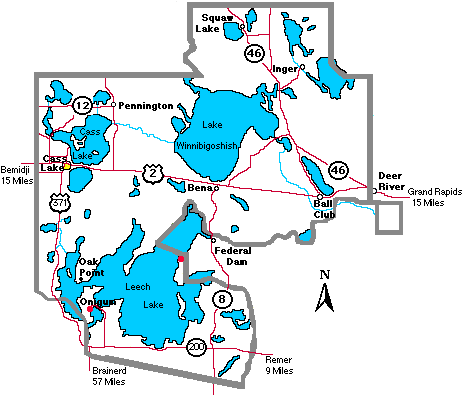
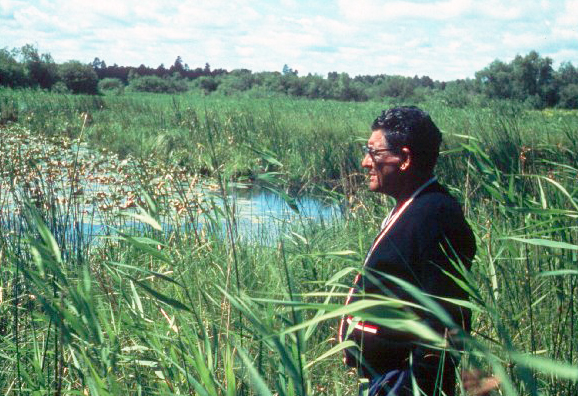
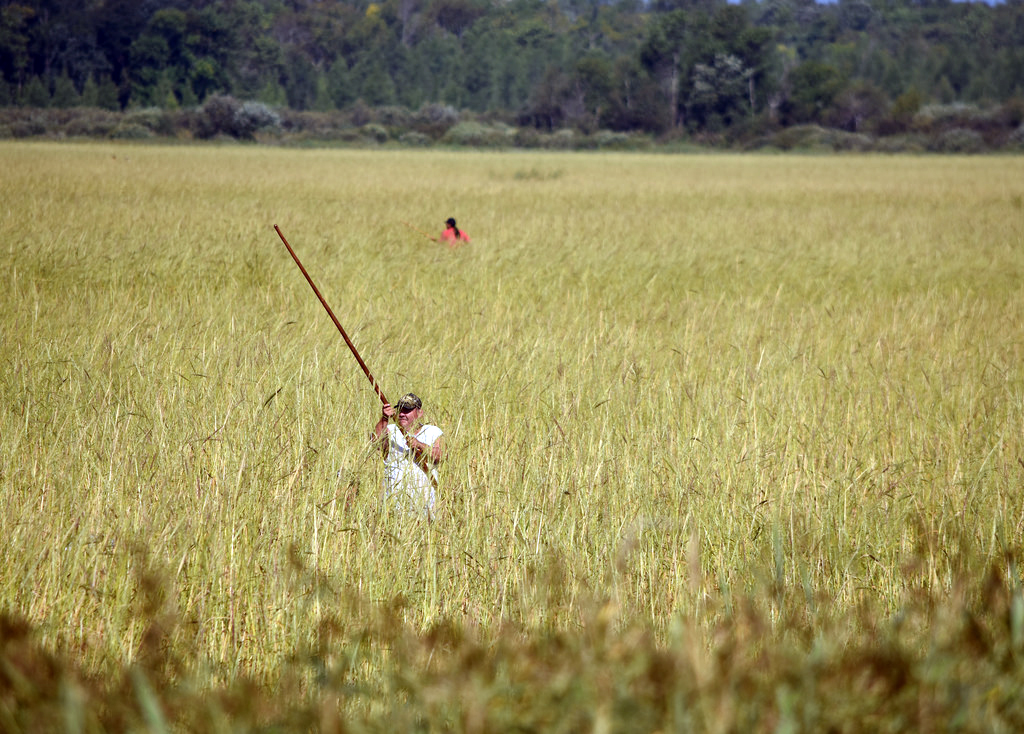

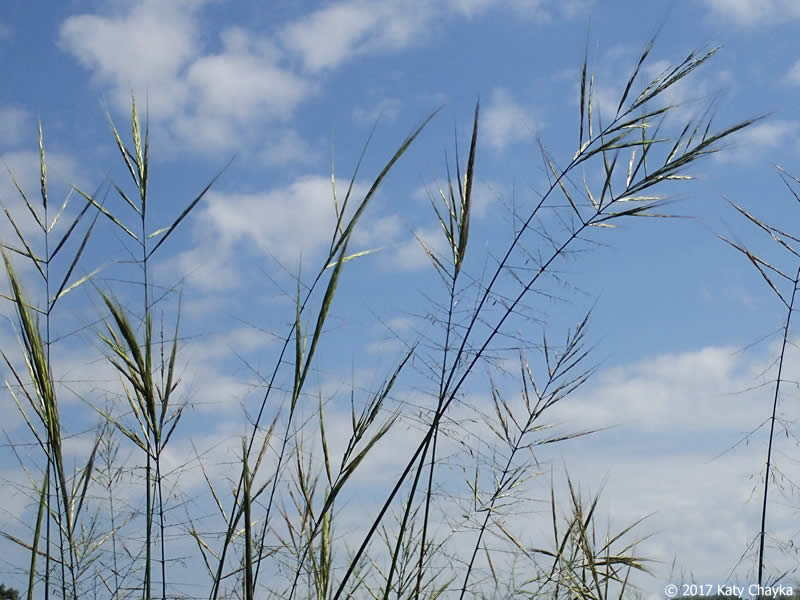
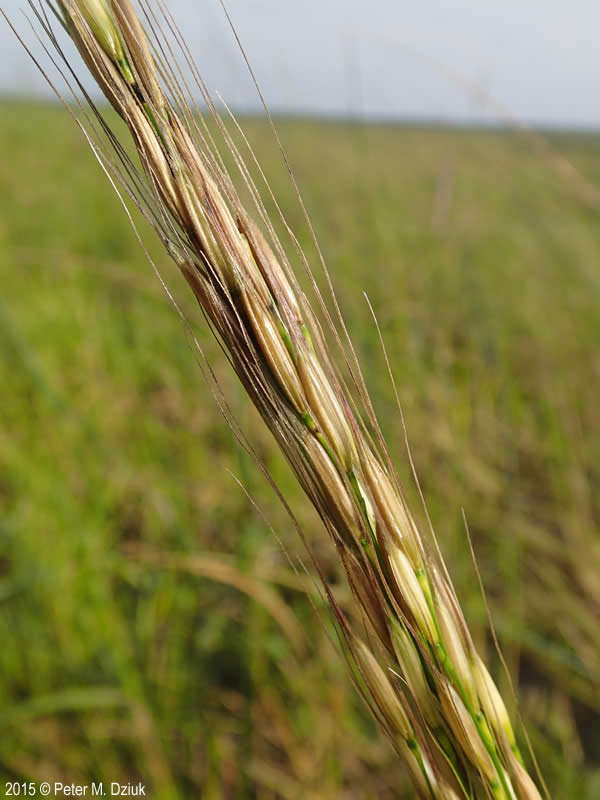
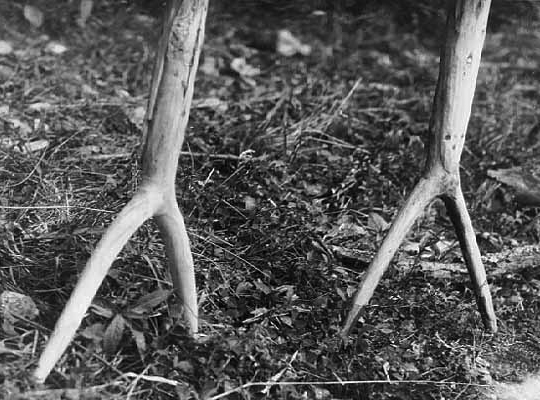
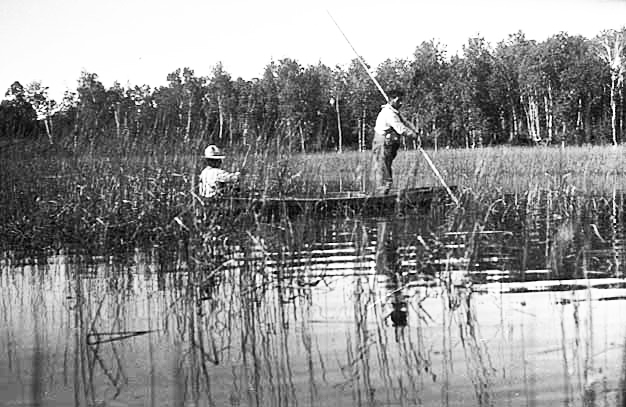
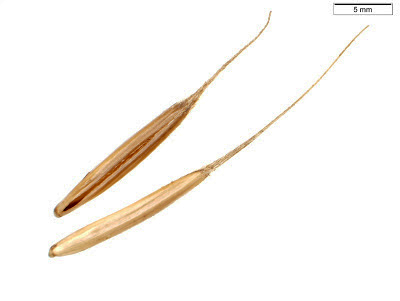
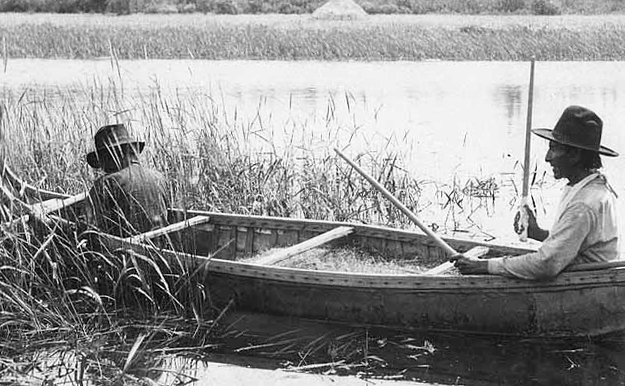
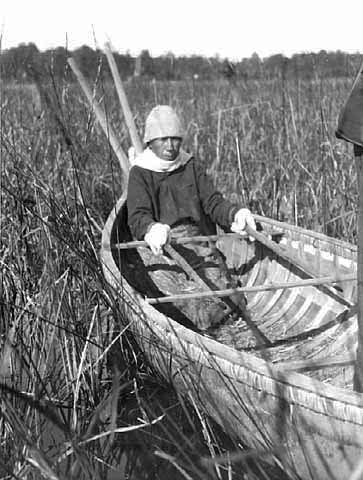
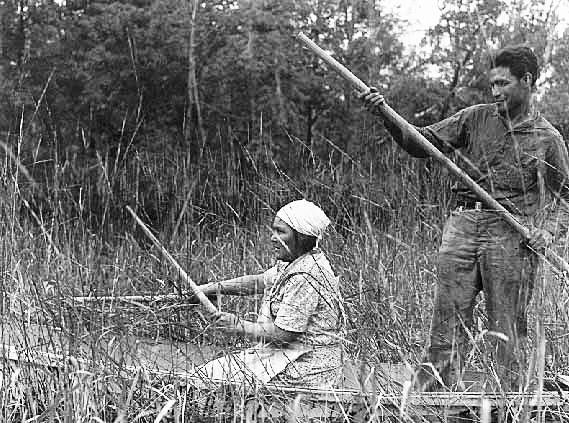
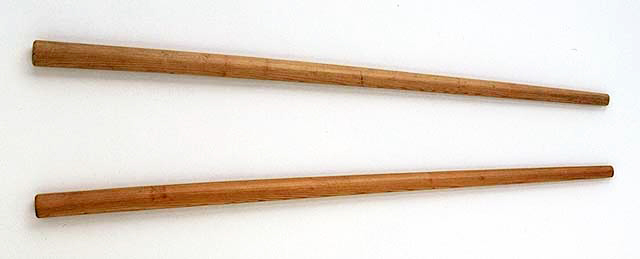
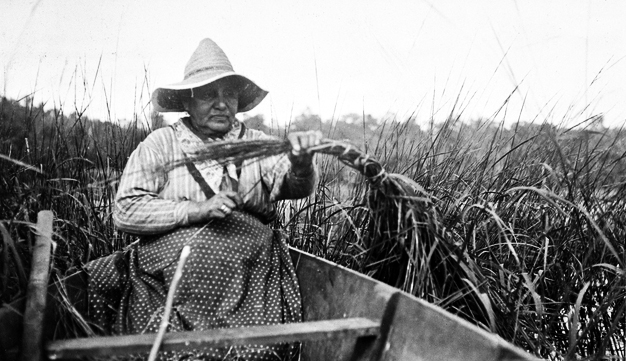
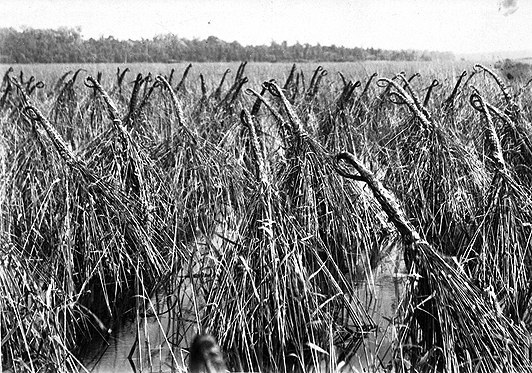
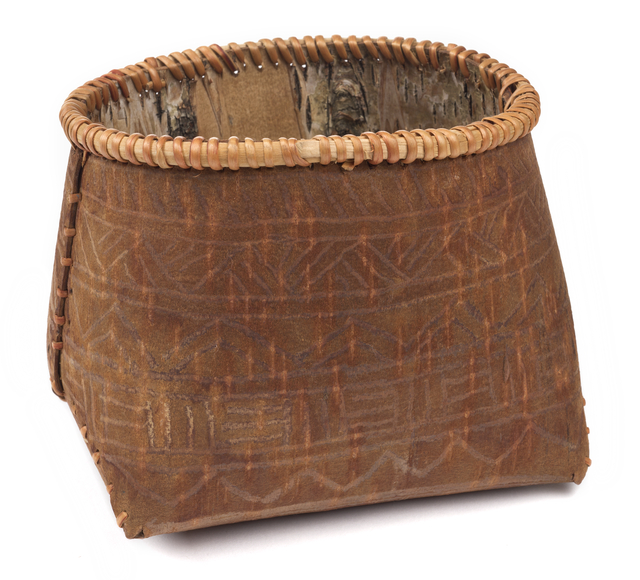
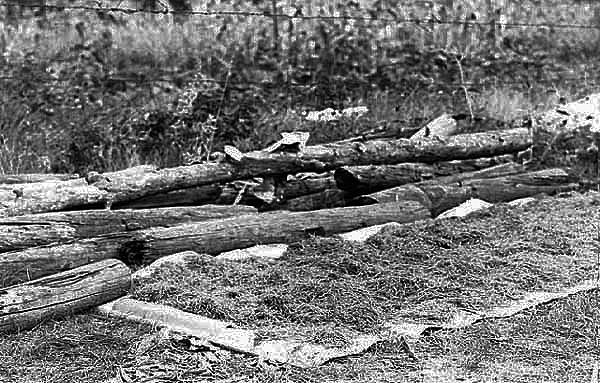
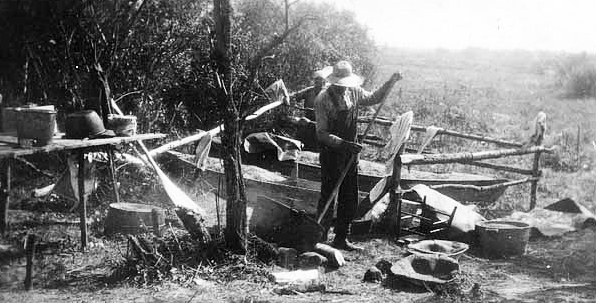
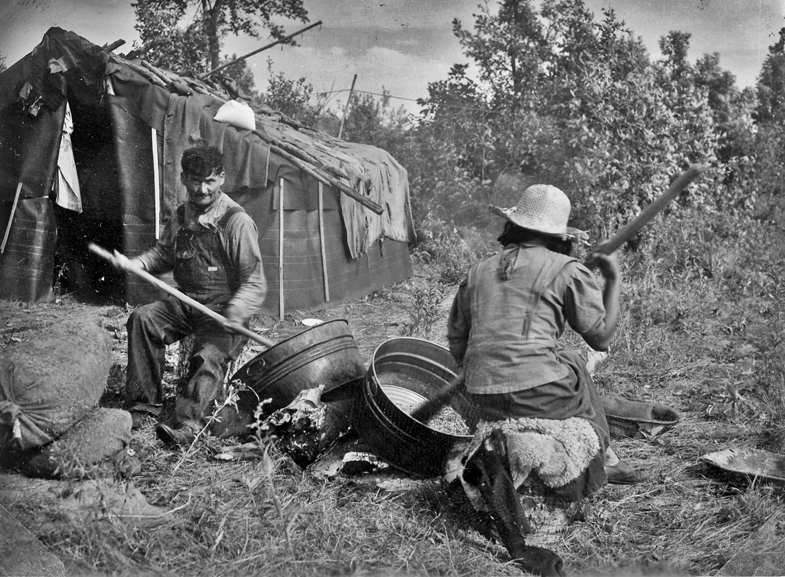
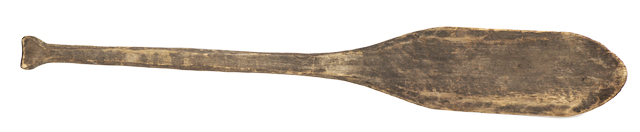
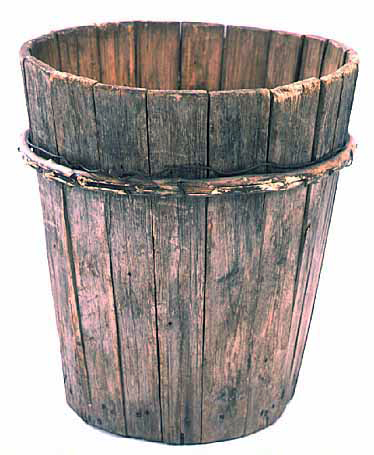
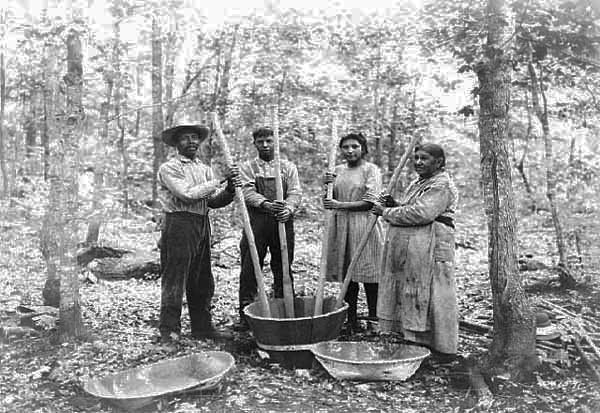
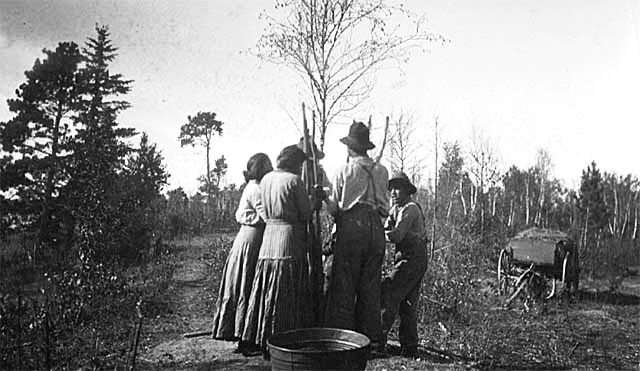
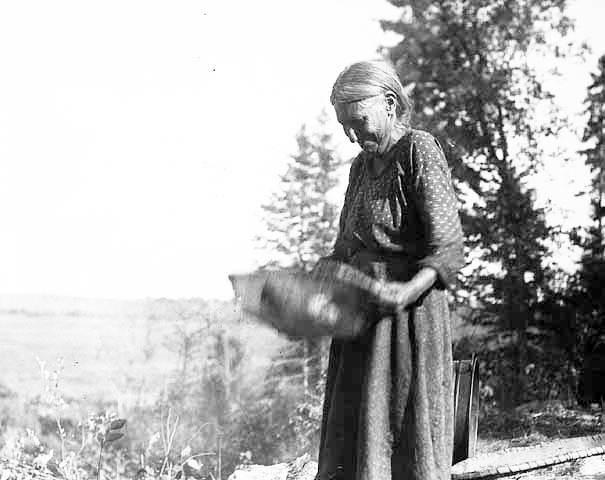
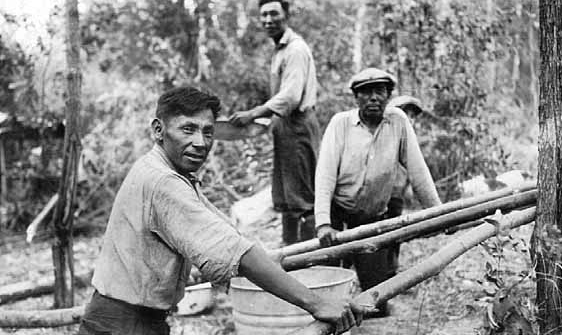
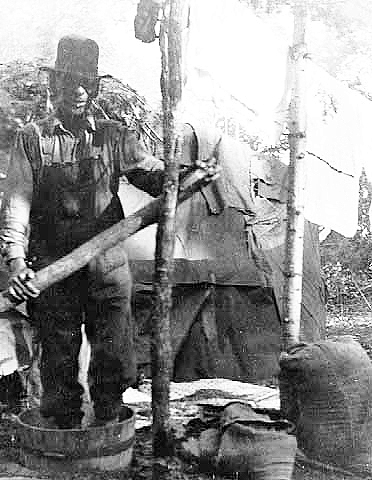
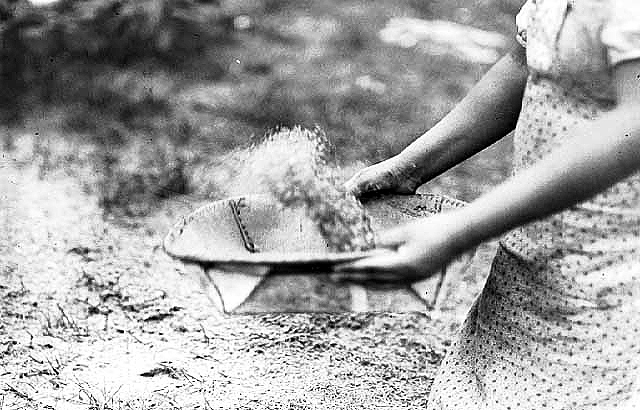
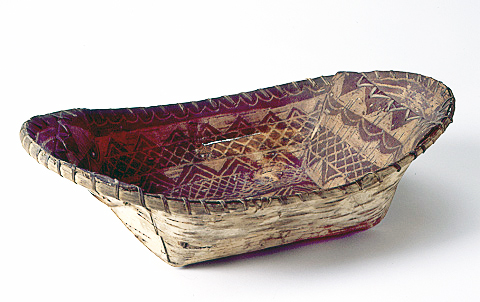
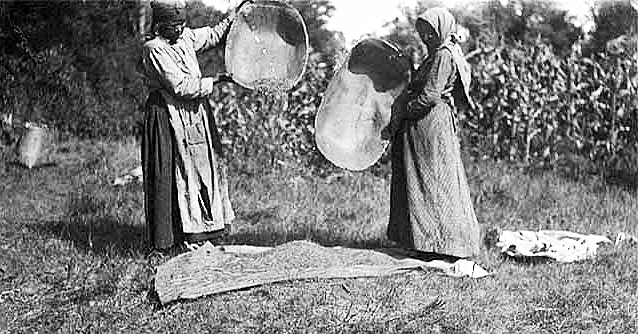
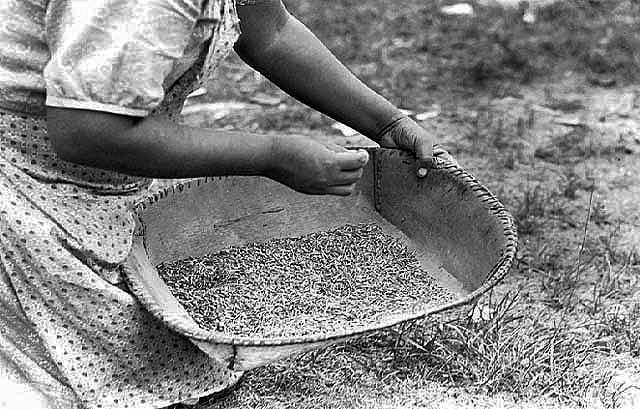
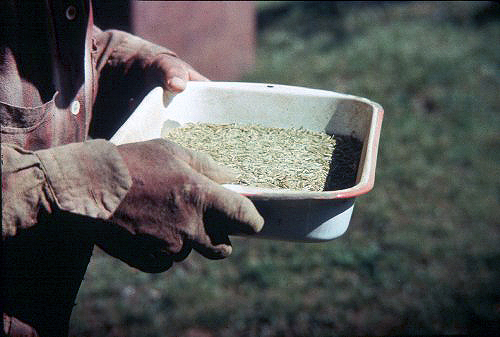
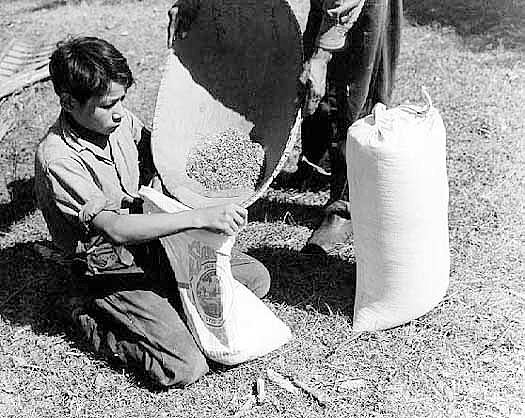
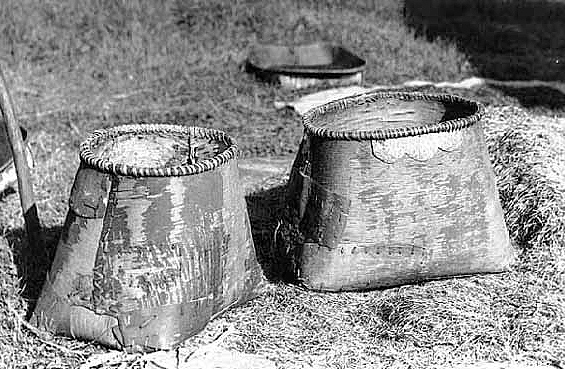
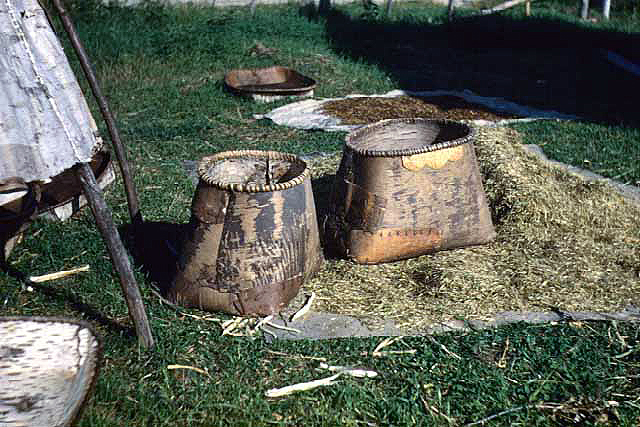
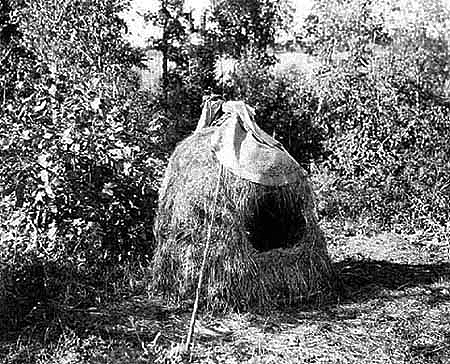
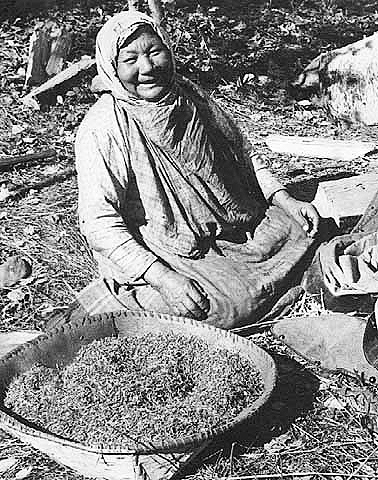
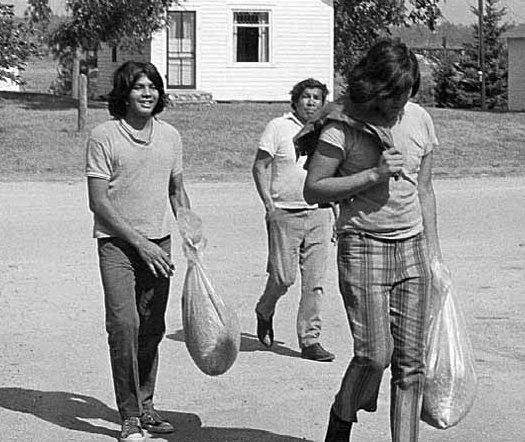
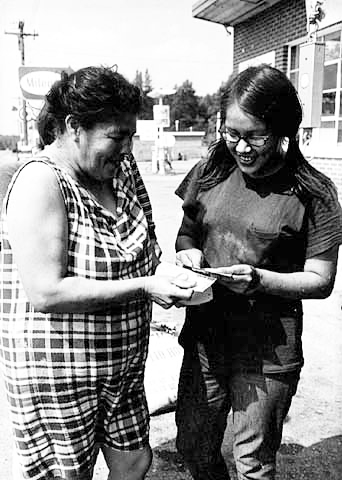
 University of Minnesota Campuses